I skipped one gutter cleaning last fall. Nine months later I paid for a fascia repair.
That is the deal with roofs in the Sunshine State. They take a beating year round from sun, rain, and the occasional named storm, and most of the damage happens slowly, quietly, and out of sight until a water stain shows up on your ceiling. The good news is that the biggest savings don’t come from a fancy upgrade. They come from a handful of habits you can start this weekend, most of them free, none of them requiring you to climb a ladder if you’d rather not.
Here’s what the habits look like, why they matter in Florida specifically, and how to tell the difference between something you can handle and something you should hand off.
Why Florida Roofs Age Faster Than You’d Expect
UV radiation is the quiet killer. Your shingles sit in direct sun for most of the year, and that constant exposure dries out the asphalt and makes the granules loosen and wash away. Once the granules are gone, the mat underneath starts to bake, crack, and curl. This is why a roof in Florida often wears out years before the same product would in a cooler climate.
Then there’s the rain. Afternoon thunderstorms dump a lot of water in a short window, and if your drainage isn’t working, that water has to go somewhere. Usually that somewhere is under your shingles or behind your fascia board. The National Weather Service tracks the seasonal patterns that drive this, and anyone who’s lived here through a summer knows the drill.
Heat from the attic side matters too. A poorly ventilated attic can hit temperatures that cook the underside of your roof deck, and that heat ages the shingles from below while the sun works on them from above. It’s a two front assault, which is exactly why ventilation deserves a spot on your maintenance list even though it feels like a boring detail.
Your Monthly Ten Minute Walkaround
Set a reminder on your phone. Once a month, walk your property perimeter and look up. You’re not diagnosing anything complicated. You’re looking for what’s different.
- Shingle tabs that are cracked, missing, or curling at the edges
- Granules collecting at the bottom of downspouts, which means your shingles are shedding faster than they should
- Rust or dark streaks on flashing around chimneys, vents, and skylights
- Sagging gutters or gutters that stay full of water after a storm
- Any new stain on a ceiling or wall inside the house, especially after heavy rain
I keep a note on my phone with dates and what I saw. That log has saved me twice, once when I could show a contractor that a leak appeared after a specific storm rather than years earlier. Records turn a vague complaint into a clear timeline.
One opinion I’ll commit to: if you see granules in your gutters after every rain, don’t panic and don’t rush to replace the whole roof. It might just be normal aging on the sun facing slope. Get eyes on it before you spend a dollar.
Gutters, Attics, and the Two Chores That Pay for Themselves
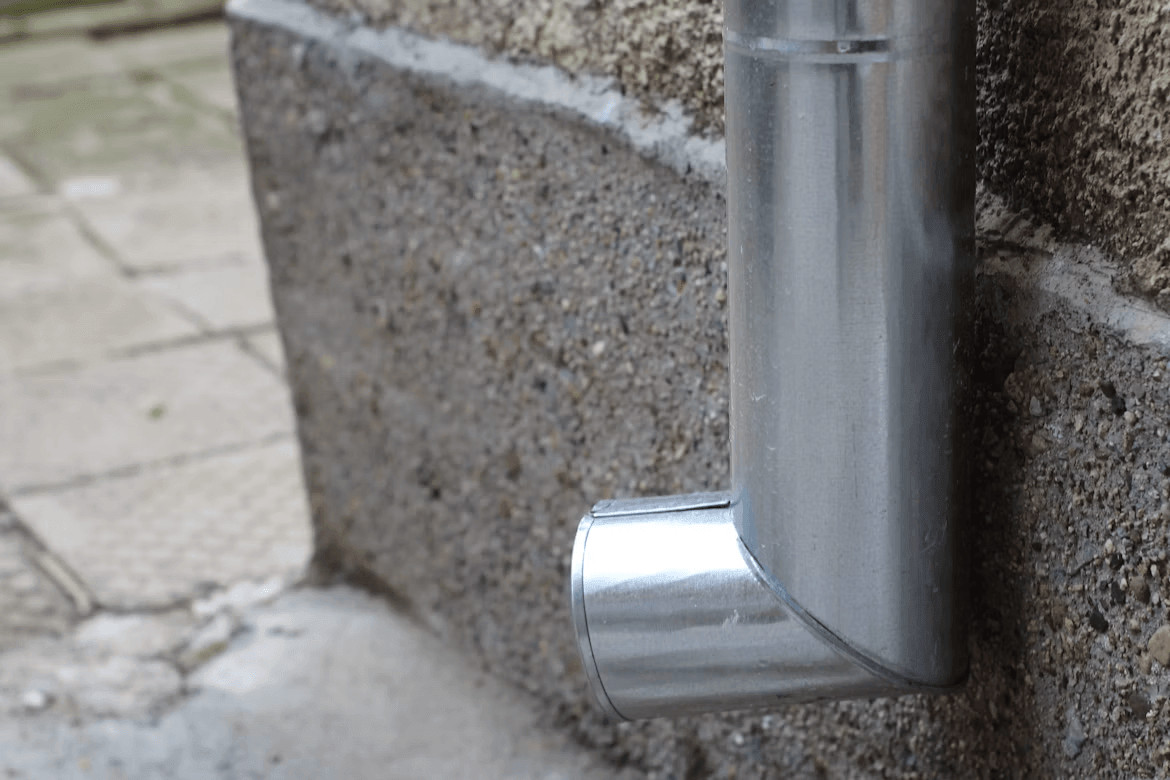
Clear your gutters at least twice a year, and after any storm that drops a lot of debris. Pine needles and oak leaves are the usual clog makers, and a clogged gutter sends water straight to your foundation and fascia instead of away from the house. This isn’t glamorous work, but it’s the cheapest insurance you’ll ever buy.
The attic is the other half of the equation. Go up there on a cool morning with a flashlight and look for daylight coming through the roof deck, dark water stains on the wood, or damp insulation. While you’re up there, check that your soffit and ridge vents aren’t blocked by insulation. The Department of Energy covers how attic ventilation and insulation work together, and the short version is that airflow keeps heat and moisture moving out instead of sitting against your roof deck.
Here’s the part that surprises people. A roof that’s too hot from the attic side doesn’t just age faster, it also makes your air conditioner work harder. So the same chore that protects your shingles can take a little pressure off your cooling bill.
Storm Prep: What to Do Before and After
Before a named storm, walk the yard and pick up anything that could become a projectile. Patio furniture, loose fencing, trash cans, that half finished landscaping pile. Wind driven debris is what tears shingles off, and your own yard is the most likely source.
After the storm passes, do a ground level inspection before you call anyone. Look for lifted or missing shingles, dented gutters, and debris sitting on the roof. Then take photos. Timestamped photos are gold when you’re filing a claim or getting quotes, because they establish what the roof looked like right after the storm. The National Institute of Standards and Technology studies how wind interacts with building materials, and the research consistently points to the same conclusion: the weakest link fails first, and it’s usually an edge or a penetration, not the middle of your roof.
One more thing. If a contractor shows up at your door uninvited right after a storm and offers to handle your insurance claim for you, slow down. Get a second opinion and read anything before you sign it. That’s not paranoia, it’s just how you avoid a headache.
Repair, Maintain, or Replace? A Simple Decision Guide
Ask yourself three questions in order.
Is the damage localized? One missing section of shingles near a vent, with the rest of the roof looking solid, usually means a repair. Not everything is a replacement job, and anyone who tells you otherwise without getting on the roof deserves some skepticism.
How old is the roof? If it’s already past the typical lifespan for its material and you’re seeing problems in multiple spots, patching turns into a money pit fast. That’s when replacement starts to make sense.
Is it leaking inside the house? Active water intrusion moves to the front of the line. Water doesn’t stay where it lands, it travels along the decking, so a small ceiling stain can mean a wider problem than it looks.
When you’re ready for professional eyes, choose carefully. Reviews that mention tidiness, matched shingles, and clear communication tell you more about a crew than any glossy brochure. Homeowners around here have good things to say about the roofing companies ocala area crews for exactly those reasons: prompt arrivals, tarps over the landscaping, and a clean driveway when the truck pulls away. That kind of follow-through is what separates a contractor you’d hire twice from one you’d warn your neighbor about.
Also, remember that roof coatings exist. On the right roof, a reflective coating can buy you years and cut heat gain, but it only works when the roof underneath is still structurally sound. On a roof that’s already failing, a coating just hides a problem until it gets expensive.
The Habit That Beats Every Repair
None of this is complicated. Walk the perimeter once a month, clear the gutters twice a year, peek in the attic a couple times a year, prep your yard before storms, and keep a simple log with dates and photos. That routine takes maybe two hours over an entire year, and it gives you the one thing every homeowner wants when a problem shows up: you saw it early.
Roofing in Florida is a maintenance relationship, not a one time purchase. The homeowners who spend the least on repairs aren’t the lucky ones. They’re the ones who caught the little things.
So here’s your move this week. Pick a morning, walk your perimeter, and write down anything that looks off. If something on the list makes you uneasy, get it looked at now, not after the next storm.