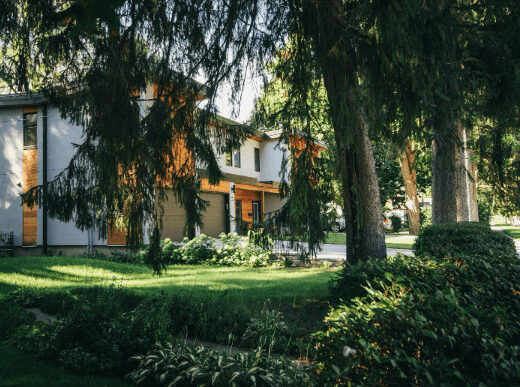
A backyard deck changes the way a home feels. It creates a place where people naturally gather, even if it’s just for morning coffee or a quiet evening after work. And while the finished result often looks simple from the outside, building a deck involves far more planning than most homeowners expect.
A good deck should feel like it belongs with the home, not like an afterthought attached to the back wall. That takes careful decisions about layout, materials, maintenance, drainage, and long-term use. The earlier those details are considered, the smoother the project usually becomes.
Many people jump straight into design inspiration without considering practical needs. But the strongest deck projects begin with a few basic questions. How will the space actually be used? How much maintenance feels realistic? And what will the deck need to withstand over the next ten or fifteen years?
Those answers shape everything else.
Start With How You Actually Live
It’s easy to overbuild a backyard deck when planning starts with appearance alone. Large multi-level designs can look impressive online, but they don’t always fit the way people use outdoor space in everyday life.
Some families want a space for grilling and casual dinners. Others need room for kids to move around safely. Some homeowners care most about privacy and quiet mornings outdoors. A deck that works beautifully for one household may feel awkward for another.
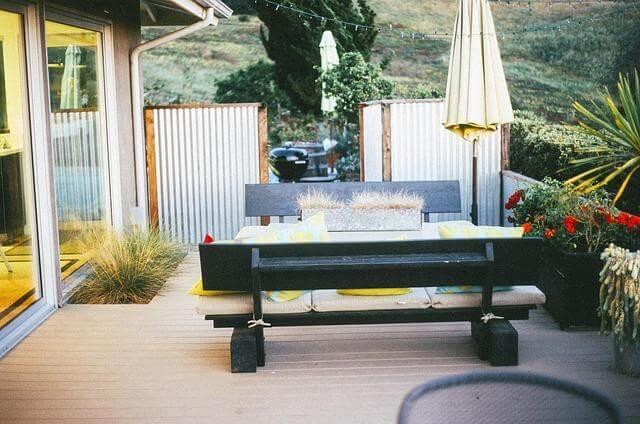
That’s why the function should come first. Before choosing colors or railing styles, think about how the space will actually be used day to day. Consider traffic flow, sun exposure, and how people will move between the house and the yard. For elevated decks, glass deck railings can define the perimeter while keeping views across the yard open. Features like built-in seating, lighting, shade structures, and storage can make the deck more comfortable and practical over time. Even stair placement can completely change how the space functions.
Once the lifestyle side becomes clearer, choosing materials usually feels much easier, too. Many homeowners spend time comparing options like stone decks vs. composite decking because each material offers a different balance of durability, appearance, maintenance, and long-term value. Some want the natural texture and weight of stone, while others prefer the lower maintenance of composite materials. In the end, the best choice is rarely about trends alone. It’s about selecting a surface that fits the way the deck will actually be lived on for years to come.
Budget Beyond the Surface Costs
One of the biggest surprises in deck construction is how quickly costs extend beyond boards and railings.
Permits, labor, grading, electrical work, lighting, drainage adjustments, and foundation requirements can all affect the final price. In some cases, homeowners also discover underlying yard issues once construction begins, especially with older properties.
That doesn’t mean a deck has to become excessively expensive. It just means budgeting should include flexibility from the beginning.
A realistic budget also accounts for long-term maintenance. Natural wood may cost less upfront but require regular staining, sealing, or repairs. Composite products often reduce maintenance but increase initial investment. Premium materials can save money in the long run, even if they feel expensive at first.
And honestly, that tradeoff matters more than people think. No one wants to spend every summer weekend sanding boards instead of enjoying the space.
Understand Local Building Requirements
Decks may seem straightforward, but they’re still structural additions to a property. Most municipalities require permits, inspections, and compliance with local building codes.
Those codes exist for good reason.

Improper footing depth, weak railings, poor attachment methods, or drainage mistakes can create serious safety problems over time. Weather exposure only accelerates those risks.
Before construction starts, homeowners should confirm requirements for:
- Permit approvals
- Property line setbacks
- Load-bearing standards
- Stair dimensions
- Guardrail height
- Frost depth for footings
- Electrical and lighting regulations
Skipping this step can significantly delay projects. In some situations, homeowners may even need to remove non-compliant structures later.
A qualified contractor usually handles these details, but it’s still important to understand the basics before signing any agreement.
Choose Materials With the Long Term in Mind
The appearance of a deck changes over time. Sun exposure, rain, snow, humidity, and temperature swings all affect how materials age. That’s why durability matters just as much as style.
Pressure-treated lumber remains common because it’s affordable and widely available. Cedar offers a more natural look and insect resistance, though it still requires maintenance. Composite decking has become increasingly popular because it reduces maintenance and resists fading better than traditional wood.
But every material comes with tradeoffs. Some surfaces become hotter in direct sunlight. Others may scratch more easily or feel less natural underfoot. In colder climates, freeze-thaw cycles can also affect long-term performance.
And then there’s appearance. A deck should still feel visually connected to the home years later, not just during the first summer after installation. Neutral finishes and timeless layouts often age better than heavily trend-driven designs.
Drainage and Ventilation Matter More Than Most People Expect
This part rarely shows up in inspiration photos. But moisture management quietly determines how long a deck lasts.
Poor drainage traps water beneath the structure, leading to rot, mold, shifting, and structural deterioration. Without proper airflow, even high-quality materials can fail earlier than expected.
The grading around the deck should direct water away from the foundation. Gaps between boards allow drainage and expansion. Underdeck ventilation helps reduce moisture buildup after storms or during periods of high seasonal humidity.
These details are easy to overlook because they’re mostly invisible once construction is complete. Still, they matter.
A beautiful deck that holds water underneath becomes a maintenance problem surprisingly fast.
Think Carefully About Sun and Shade
Outdoor comfort varies dramatically throughout the day. A deck that feels perfect at 9 a.m. may become unbearably hot by mid-afternoon.
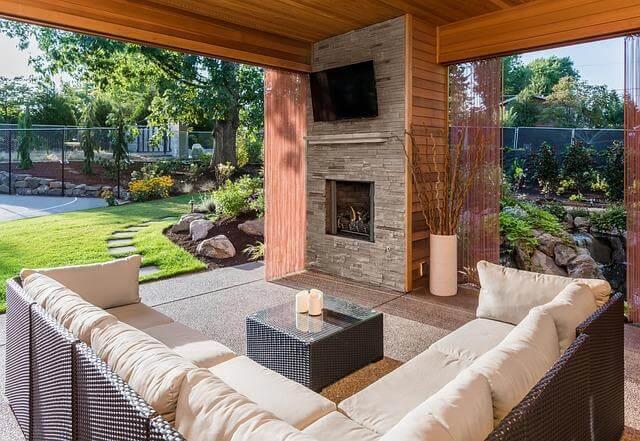
Before finalizing the layout, it helps to observe how sunlight moves across the yard throughout the day. Trees, neighboring homes, and rooflines all affect exposure patterns.
Some homeowners eventually add pergolas, awnings, privacy screens, or covered sections because they realize their decks receive more direct sun than expected. Planning for those possibilities early often saves money later.
And beyond comfort, shade also affects material performance. Constant direct sunlight can increase fading, surface temperature, and expansion over time.
Lighting Changes the Entire Atmosphere
Deck lighting serves both practical and aesthetic purposes.
Stair lighting improves safety. Rail lighting helps define edges after dark. Soft ambient fixtures create a more welcoming atmosphere for evening use. The difference can feel surprisingly dramatic.
A deck without lighting often becomes unusable after sunset. But thoughtful lighting extends the space naturally into the evening hours without making it feel overly bright or commercial.
Warm lighting usually works best outdoors because it feels softer and more relaxed. Subtle placement also matters more than intensity.
Nobody wants their backyard to feel like a parking lot.
Hiring the Right Contractor Matters
Even the best materials can’t compensate for poor workmanship.
A reliable contractor should provide clear timelines, written estimates, guidance on permits, references, and detailed explanations of the construction process. Communication matters as much as technical skill.
If answers feel vague early on, problems usually become larger later. Homeowners should also ask about warranties, subcontractors, cleanup expectations, and material sourcing before work begins. A trustworthy builder typically welcomes such conversations rather than avoiding them.
And sometimes, the small details reveal the most. Showing up on time, returning calls consistently, and explaining options without pressure.
Those things matter more than flashy sales language.
A Backyard Deck Should Feel Easy to Live With
The best decks rarely feel excessive. They fit the home naturally and make outdoor living easier. That’s really the goal.
A well-designed deck supports everyday routines without demanding constant attention or upkeep. It becomes part of how people experience their home, season after season.
And while the planning stage can feel overwhelming at times, thoughtful decisions early on usually prevent larger frustrations later.
Because once construction starts, changes become harder and more expensive.
So before choosing colors or furniture layouts, it helps to focus on the fundamentals first. Structure. Materials. Drainage. Function. Longevity.
The details behind the surface are what make a deck last.