Home accidents happen every day. A visitor slips on an icy walkway, a delivery driver trips over broken stairs, or a guest falls because of poor lighting. While some accidents are simply unavoidable, others occur because a property owner failed to address a hazardous condition. Knowing the difference is important because not every injury automatically becomes a personal injury case.
If someone is hurt in or around a home, liability depends on much more than the injury itself. Courts typically examine whether negligence contributed to the accident, whether the danger was reasonably preventable, and whether the property owner met their legal responsibilities.
After a serious accident, some injured individuals seek guidance from Naperville premises liability lawyers or leading personal injury attorneys to better understand whether they may have a valid claim.
Not Every Home Accident Results in a Personal Injury Claim
People can get hurt even when everyone involved acts responsibly.
For example:
● A child trips while running.
● A guest misses a step.
● Someone loses their balance while carrying heavy boxes.
● A visitor slips because of wet shoes after walking through rain.
Accidents like these may not involve negligence.
A personal injury case generally requires evidence that another party failed to use reasonable care and that failure caused the injury.
What Is Premises Liability?
Many home accident claims fall under an area of law known as premises liability.
Property owners have a legal duty to maintain reasonably safe conditions for people who are lawfully on their property. They are not expected to eliminate every possible danger, but they are generally expected to address known hazards or provide reasonable warnings when appropriate.
Whether that duty was breached depends on the circumstances surrounding the accident.
Common Home Hazards That Can Lead to Claims
Some dangerous conditions appear repeatedly in premises liability cases.
Examples include:
● Broken staircases
● Loose handrails
● Uneven sidewalks
● Cracked driveways
● Icy walkways
● Poor lighting
● Loose flooring
● Hidden holes
● Falling objects
● Unsafe decks or balconies
When these hazards are ignored or left unaddressed, injuries may become legally significant.
Property Owners Are Not Automatically Responsible
Many homeowners worry that every injury occurring on their property creates liability. Fortunately, that is not how the law generally works.
Courts often examine several questions, including:
● Did the property owner know about the hazard?
● Should they reasonably have discovered it?
● Was enough time available to correct the problem?
● Was the danger obvious?
● Did the injured person contribute to the accident?
Answering these questions helps determine whether negligence occurred.
The Importance of Notice
One of the most important concepts in premises liability is notice.
Actual Notice
Actual notice means the property owner knew about the dangerous condition.
For example:
● A homeowner knew a stair tread was broken.
● A deck railing had become loose.
● Water regularly leaked onto a tile floor.
If repairs were delayed despite knowledge of the hazard, liability may become more likely.
Constructive Notice
Even if a homeowner claims they did not know about a hazard, courts sometimes ask whether they should have known.
For example, if a dangerous condition existed for weeks or months, a reasonable inspection may have revealed the problem.
Visitors Are Owed Different Legal Duties
The legal duty owed to someone entering a property often depends on why they are there.
Social Guests
Friends, neighbors, and invited family members are generally owed reasonable protection from known hazards that are not obvious.
Business Visitors
Individuals performing services at a home, such as contractors or delivery drivers, may also be entitled to protection from dangerous conditions.
Trespassers
Property owners generally owe fewer legal duties to trespassers, although important exceptions may apply, particularly when children are involved.
Slip and Fall Accidents
Slip and fall incidents remain among the most common home-related personal injury claims.
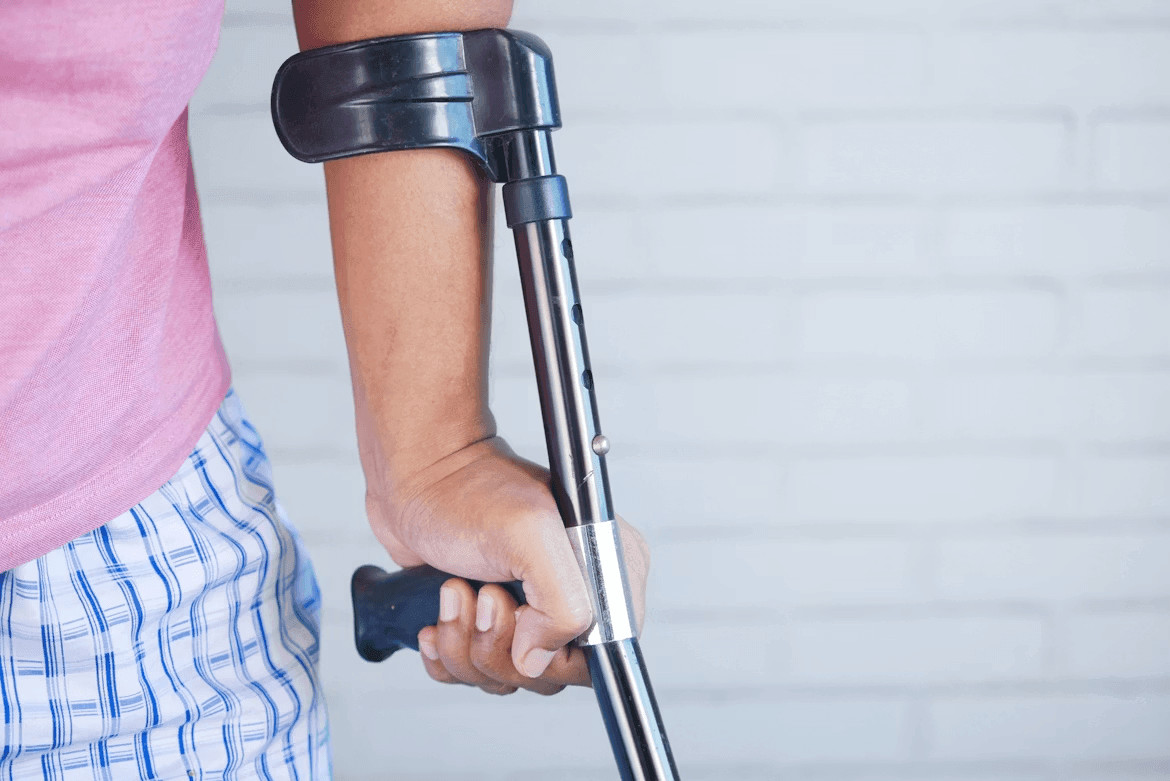
These accidents frequently involve:
● Wet entryways
● Ice accumulation
● Loose rugs
● Uneven flooring
● Cluttered walkways
● Broken steps
Whether a claim exists depends on why the condition existed and whether reasonable steps were taken to address it.
Dog Bite Injuries
Home accidents are not limited to falls.
Dog bites occurring on residential property can also lead to personal injury claims depending on state law.
Factors may include:
● Prior aggressive behavior
● Local leash laws
● Owner knowledge
● Circumstances surrounding the attack
Many homeowner insurance policies provide coverage for certain dog bite claims.
Injuries Caused by Falling Objects
Objects falling from shelves, garages, stairways, or elevated storage areas may cause serious injuries.
Examples include:
● Heavy storage bins
● Furniture
● Construction materials
● Appliances
● Decorative items
Proper storage and maintenance help reduce these risks.
What Should You Do After a Home Accident?
If an injury occurs:
● Seek medical attention promptly.
● Report the accident to the homeowner.
● Photograph the accident scene.
● Document the hazardous condition.
● Collect witness information.
● Preserve damaged clothing or footwear if relevant.
● Keep copies of medical records and expenses.
Accurate documentation often becomes valuable if questions arise later.
Homeowners Insurance May Be Involved
Many premises liability claims involve homeowner insurance rather than direct payment by the property owner.
Insurance companies typically investigate:
● How the accident occurred
● Whether negligence existed
● The extent of injuries
● Available evidence
● Applicable policy coverage
Prompt reporting helps preserve important information during the investigation.
Comparative Fault Can Affect Recovery
In some cases, both parties may share responsibility.
For example, an injured visitor may have:
● Ignored warning signs
● Been distracted by a cellphone
● Entered restricted areas
● Failed to exercise reasonable caution
Many states reduce financial recovery if the injured person is partially responsible for the accident.
When Does an Accident Become a Personal Injury Case?
Generally, a home accident becomes a personal injury case when four elements exist:
- A property owner owed a legal duty.
- That duty was breached through negligence.
- The negligence caused the accident.
- The injured person suffered actual damages.
Without these elements, a successful personal injury claim may be difficult to establish.
When Should Someone Speak With an Attorney?
Not every accident requires legal action. However, serious injuries involving significant medical expenses, permanent impairment, disputed liability, or insurance complications often warrant legal guidance.
The personal injury attorneys at DePaolo Zadeikis & Pino represent individuals in a wide variety of injury matters, including cases involving dangerous property conditions. An attorney can evaluate available evidence, explain applicable state law, and help determine whether a claim may exist.
Preventing Home Accidents
Property owners can reduce injury risks by making safety a regular priority.
Helpful practices include:
● Inspecting walkways regularly
● Repairing damaged stairs and railings
● Improving outdoor lighting
● Removing tripping hazards
● Cleaning spills promptly
● Addressing ice and snow accumulation
● Securing loose flooring
● Maintaining decks and balconies
Routine maintenance not only protects visitors but also reduces the likelihood of future legal disputes.
Understanding Your Rights After a Home Injury
A home accident does not automatically become a personal injury case simply because someone was injured. Liability depends on whether negligence contributed to the incident and whether the property owner failed to maintain reasonably safe conditions. By understanding how premises liability works, both homeowners and visitors can better appreciate their legal rights and responsibilities following an unexpected accident.