Long-distance moves involve multiple handoffs because transporting household belongings requires different teams, vehicles, and facilities at different stages. Whether you’re relocating between states or moving internationally, your furniture, appliances, and other household items may not travel directly from one home to another.
Each transfer serves a particular purpose, from preparing items for transport to meeting customs requirements and arranging delivery at your destination.
Understanding these stages can also help homeowners protect their belongings, prevent damage to furniture and appliances, and prepare their new property for a smoother move.
Different Stages Require Specialist Moving Teams
Long-distance moving involves several activities that require different skills, equipment, and responsibilities. Packing your belongings, transporting them over long distances, and unloading them at your destination are separate operations.
International moving providers such as Crown Relocations, your worldwide mover, may coordinate different teams across the moving process, with local crews handling packing, transport, and delivery according to their respective responsibilities. The people packing your belongings at your original home may therefore not be the same people handling them at your destination.
These arrangements allow each team to concentrate on its particular responsibilities. However, they also make accurate inventories, clear handling instructions, and communication between crews important for maintaining continuity throughout the move.
Homeowners can prepare by identifying furniture that requires disassembly, appliances that need special handling, and fragile household items that need additional protection. Photographing valuable furniture and noting its condition before packing can also make it easier to identify any damage after delivery.
Transport Networks Require Multiple Transfers
Long-distance belongings often pass through several transport networks because no single vehicle can complete every stage of the journey.
For a move between distant cities or states, belongings might travel by removal truck before being transferred to another vehicle or moved through a regional depot. Relocations involving islands may also require ferry or cargo transport.
International moves introduce further stages. Your belongings may travel by road to a shipping facility, enter a freight container, and continue by sea before being transferred to another vehicle overseas.
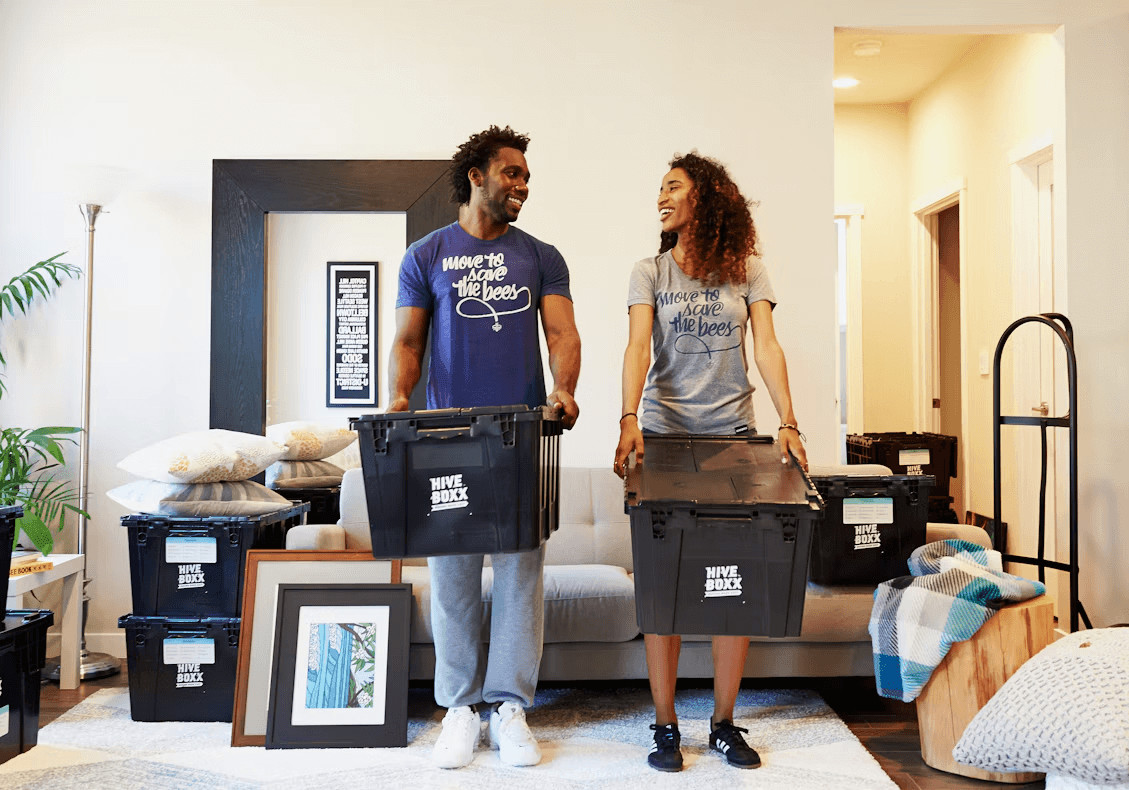
Each transport method operates according to different loading requirements, schedules, and capacity restrictions. These changes explain why multiple handling points can be part of the journey rather than signs of unnecessary complexity.
Because furniture and household items may be handled several times, proper packing becomes especially important. Wooden furniture should be protected against scratches, glass surfaces need suitable cushioning, and delicate decorative pieces should be packed securely to reduce movement during transportation.
Customs Requirements Create Additional Handoffs
Moving internationally involves border procedures that domestic relocations generally avoid. Your belongings may need to be documented, inspected, and cleared before they can continue to their final destination.
Customs requirements vary depending on the countries involved. For example, household belongings entering the United States may require documentation such as CBP Form 3299, while other countries have their own procedures for personal effects and household shipments.
Certain belongings, including wooden furniture, outdoor equipment, plants, and gardening tools, may also be subject to inspection or restrictions designed to prevent the movement of pests and contaminants.
These procedures create handoffs between freight operators, customs representatives, and inspection facilities. Your belongings cannot always proceed directly to delivery simply because they have reached the destination country.
Before packing, homeowners should check the applicable import requirements and clean outdoor furniture, gardening equipment, and other items that may contain soil or organic materials.
Local Delivery Conditions Demand Different Equipment
The vehicle used for long-distance transport may not be suitable for delivering belongings directly to your new property.
Large freight vehicles can face restrictions in residential streets, apartment complexes, and densely populated areas. Narrow access roads, limited parking, and building regulations may require your belongings to be transferred into smaller delivery vehicles.
Local delivery teams help manage these conditions using equipment and vehicles suited to the destination. This additional handoff makes it possible to complete deliveries where larger transport vehicles cannot operate conveniently.
Homeowners should also prepare their new property before the delivery team arrives.
Protecting hardwood floors, covering vulnerable corners, and measuring doorways can help prevent damage when large furniture and appliances are moved inside.
For example, a bulky sofa may fit comfortably in the living room but struggle to pass through a narrow hallway. Measuring access points in advance allows homeowners to identify potential problems before delivery day.
It’s also worth checking whether beds, dining tables, or other large items need to be disassembled before entering the property.
Scheduling Differences Can Require Temporary Storage
Long-distance moves also involve handoffs because transport schedules rarely align perfectly with your preferred moving dates.
Shipping departures, freight arrivals, customs clearance, and property access can occur at different times. You might reach your destination before your belongings arrive, or your shipment could be ready before your new home becomes available.
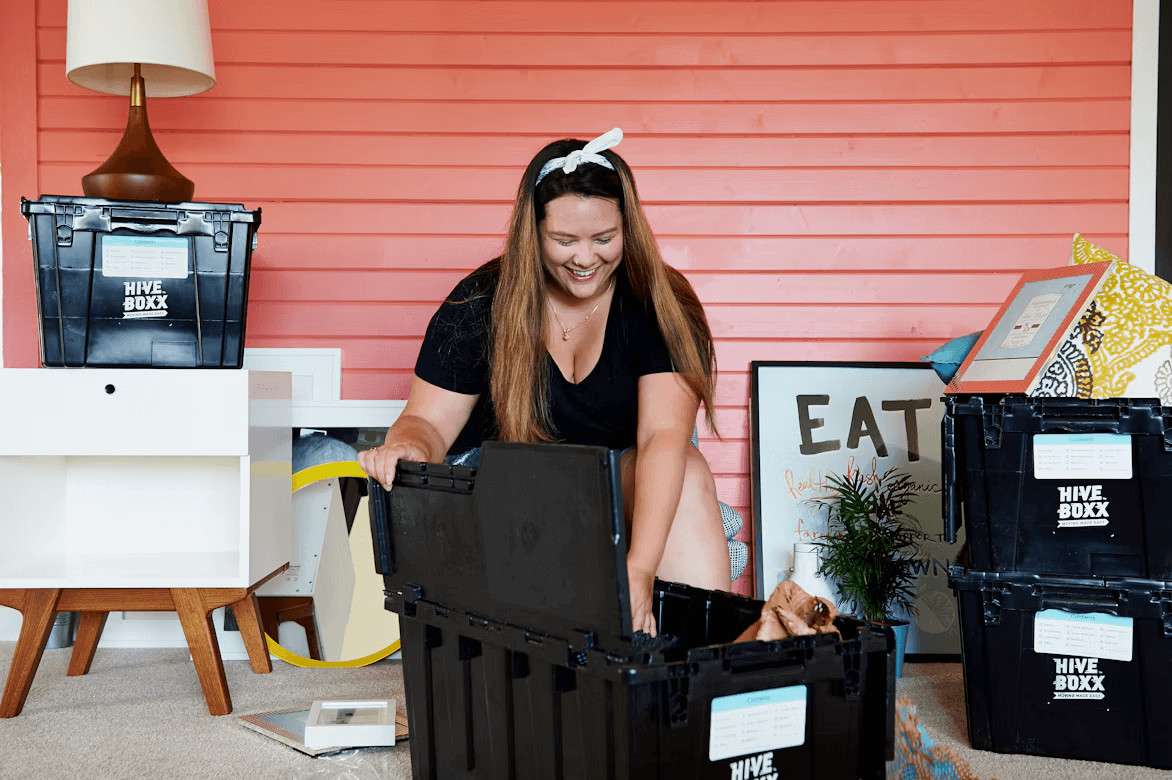
Temporary storage helps accommodate these differences. Belongings may be transferred into a storage facility before being collected for final delivery.
Although this creates another handling stage, it allows the moving process to accommodate circumstances that cannot always be controlled through scheduling alone.
When storage is necessary, homeowners should consider how their belongings will be protected. Wooden furniture, upholstered items, electronics, and delicate décor may require particular attention to moisture, temperature fluctuations, and handling conditions.
Ask the moving provider about storage arrangements, available protection, and whether items will need to be repacked or transferred before final delivery.
Prepare Your New Home Before the Final Handoff
The final delivery stage is an opportunity to make sure your new home is ready for its furniture and household belongings.
Before the moving team arrives, walk through the property and check that pathways are clear, flooring is protected where necessary, and larger items have designated spaces.
A few simple preparations can make a difference:
- Measure furniture access: Check doorways, staircases, and hallways before moving large pieces inside.
- Protect floors and walls: Use suitable temporary floor coverings and corner protection in high-traffic areas.
- Plan furniture placement: Decide where sofas, beds, tables, and storage units should go before unloading begins.
- Check appliance connections: Confirm that the appropriate electrical, plumbing, or ventilation connections are ready before installing appliances.
- Inspect delivered belongings: Review furniture, appliances, and fragile items for visible damage before completing the delivery process.
These preparations help reduce unnecessary handling, protect interior finishes, and make unpacking more manageable.
Every Handoff Has a Purpose
Multiple handoffs are a normal part of moving belongings across cities, countries, and transport networks. Each stage responds to a particular logistical, regulatory, or practical requirement.
For homeowners, understanding these transfers is also an important part of protecting furniture, appliances, and other household investments.
By preparing belongings properly, asking questions about handling arrangements, and getting the new home ready for delivery, you can reduce avoidable complications and make the overall moving process easier to manage.