There is a certain kind of excitement that comes with turning a passion into a business. One day you are fixing up a project car in the garage or tackling weekend home upgrades, and the next you are thinking about how to turn those skills into something bigger. I have always loved tools, cars, and hands-on projects, so the idea of building a small business around that passion felt natural. But I learned pretty quickly that enthusiasm alone does not keep a business running.
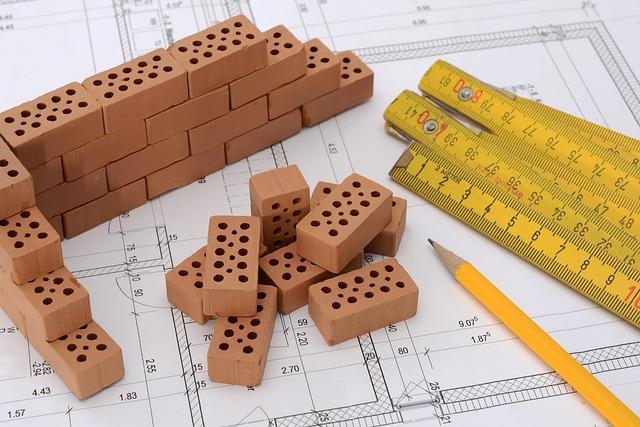
At some point, small businesses run into the real-world side of things. Pricing mistakes, supply delays, taxes, and wasted money have a way of showing up fast. That is when planning becomes more important than motivation. A blueprint is not just for construction projects. It is what keeps a business from falling apart when things get complicated.

Spotting the Cracks Before the Foundation is Poured
The biggest mistake I see is people jumping into a market without actually checking the temperature first. They have a great idea, but they do not know if anyone actually wants to pay for it. A blueprint mindset forces you to stop and look at the facts before you spend a single dollar. It is about being honest with yourself when the numbers do not add up.
I think the real value comes when you sit down and look at how a business plan helps entrepreneurs beyond just getting a loan. It is not about a fancy document for a bank. It is about a reality check for you. It forces you to answer the hard questions now, instead of answering them when your bank account is empty. It helps you find the cracks in your logic before they turn into real, expensive disasters.
Decision Fatigue is a Silent Business Killer
When you’re making it up as you go, every single choice feels like a life-or-death situation. Should you buy this software? Should you hire that person? If you do not have a plan to guide you, you’ll spend your whole day in a state of indecision. It is exhausting. By 3 PM, your brain is fried and you haven’t actually moved the needle on anything that matters.
I found that having a roadmap takes the weight off your shoulders. You already decided on your direction six months ago, so the daily choices become much simpler. You just look at your plan and see if the opportunity fits. If it doesn’t, you say no. That one little word is the difference between a business that grows and one that just spins its wheels. It lets you focus your energy on the stuff that actually makes money.
Building Something That Can Actually Scale
Most people build a business that relies entirely on their own personal energy. That works for a while, but eventually, you hit a limit. You can’t work twenty-four hours a day forever. A plan helps you look at the systems you need to build so the business can eventually run without you being in every single email thread.
I realized that without a blueprint, you are basically just building a cage for yourself. You’re the only one who knows how anything works, and that makes you a bottleneck. Planning forces you to think about the long-term structure. It helps you see where you need help and what tasks can be automated. It turns a job into a real company.
Final Thoughts
At the end of the day, having a plan does not mean everything will go perfectly. Every business hits unexpected problems along the way. But when you take the time to build a solid blueprint from the start, you give yourself a much better chance of handling those setbacks without losing momentum.
Whether you are building furniture in the garage, restoring cars on weekends, or turning your passion for tools and home projects into a small business, planning matters. The same way you would never start a major home renovation without measurements and a game plan, you should not build a business without one either. A clear roadmap helps turn good ideas into something that can actually last.