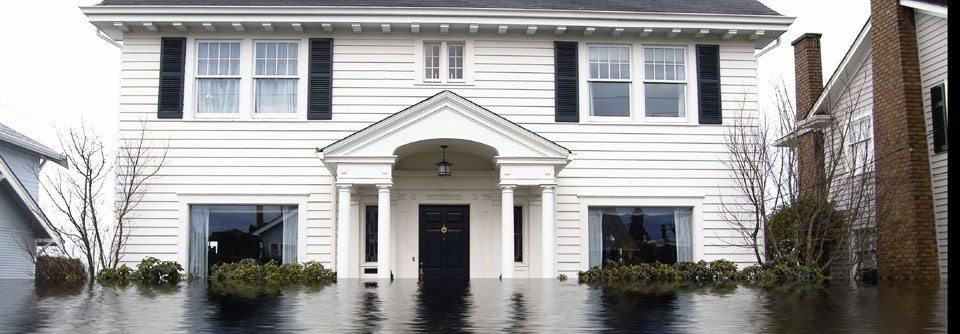
So a friend sold her place last spring. Moving to Spain, the whole dream. She’d been deep in shipping quotes and visa forums for weeks, completely locked in on the overseas part of things. The house she was actually selling? Barely crossed her mind. Then her realtor called about a failed inspection and suddenly the dream had a plumbing problem. Her words, not mine: “I forgot I still owned a house.”
That story isn’t unusual. When an overseas relocation is on the table, the house becomes an afterthought. All the energy goes to the exciting part, the new country, the adventure, figuring out health insurance for expats and where to open a bank account. Meanwhile the property that’s supposed to fund the whole thing just… waits. Quietly falling apart.
Here are five home projects that tend to slip through the cracks. Some take an afternoon. Some take a bit longer. All of them are easier to handle before the moving boxes show up.
Get the Paperwork Sorted First
Not the fun answer. But probably the most important one.
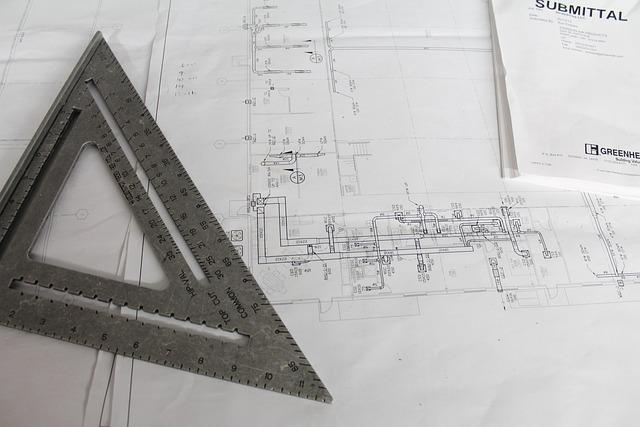
Any home built before 1978 comes with strings attached when it’s time to sell. Lead-based paint, specifically. Sellers are legally required to disclose what they know about it, hand over records, and give buyers a mandatory 10-day inspection window to get the place tested. The EPA doesn’t mess around with this one, there are specific forms involved and the rules apply whether the seller is moving across town or across the Atlantic.
And lead paint disclosures are just the federal layer. State requirements pile on top. Some states want sellers to disclose everything from past flooding to foundation repairs to noise complaints from the neighbors. The permits from that bathroom remodel in 2021? Could be at the county building department. Could be in a filing cabinet under a pile of old tax returns. Could be nowhere.
Tracking all of this down takes longer than anyone expects. Weeks, in some cases. Which is exactly why it should be the first thing on the list, not the last.
The Boring Fixes Nobody Wants to Do
There’s this instinct to go big before listing. Granite countertops. Statement lighting. Maybe a deck if the timeline allows. But the numbers suggest otherwise. Opendoor’s breakdown of home improvements that increase resale value keeps pointing back to the same conclusion. Small, cheap, boring fixes punch above their weight.
Tightening loose cabinet hardware. Swapping cracked outlet covers. Touching up the paint where the dog’s crate used to sit. Fixing that bathroom faucet that drips at what feels like exactly four-second intervals.
None of this is exciting. But a buyer walking through a home reads deferred maintenance like a language. One dripping faucet whispers “neglected.” Three of them shout it.
And here’s the thing that makes this worse for people moving abroad. The temptation to skip the small stuff is stronger when there’s a visa appointment tomorrow and a shipping estimate due by Friday. The house becomes background noise. Which is exactly when these minor details start costing real money at the negotiating table.
Curb Appeal (Yes, It Still Matters)
Obvious? Probably. Overlooked anyway? Constantly.
Power washing a driveway takes maybe two hours and the before-and-after is almost comical. Overgrown hedges need cutting back. If the front door paint is flaking or the house numbers look like relics from another decade, those are afternoon fixes.
Something less obvious, though. Exterior lighting. A couple of pathway lights or updated porch shutters completely change how a property photographs. And photography matters more than it used to, arguably more than the physical showing in some markets, because the overwhelming majority of buyers start online now. A dark exterior shot at dusk versus a warmly lit one? Totally different emotional response. Totally different click-through rate.
Side note on landscaping. It doesn’t need to be immaculate. It needs to look like someone cared. A slightly wild garden with visible structure reads as character. An abandoned one reads as a liability. Mulch and clean edging go surprisingly far here.

Check the Systems, Not Just the Surfaces
Look, a scratched hardwood floor is something a buyer negotiates around. A furnace that sounds like it’s been haunted since 2014? That kills deals outright.
HVAC filters. Water heater condition. Age of the electrical panel. Buyers’ inspectors poke at all of this, and problems in these areas scare people way more than a cosmetic scratch or a dated light fixture ever could.
A pre-listing inspection is probably worth the few hundred bucks, just to know what a buyer’s inspector will find before they find it. No surprises. That’s the goal.
If the relocation timeline is already feeling crunched (and honestly, when isn’t it), Charles & Hudson put together a solid walkthrough on DIY prep before a long-distance move that’s worth bookmarking. Swapping out an HVAC filter is a five-minute job, tops. Flushing the water heater, maybe half an hour if you’re being thorough. Quick stuff. Tuesday evening stuff. The problem is that “quick stuff” has a way of vanishing from the to-do list when it’s competing with visa applications and calls to international freight companies at odd hours.
Which is, to be fair, basically everyone in this situation.
Treat It Like Two Separate Projects
The people who seem to get this right are the ones who stop trying to manage everything in one giant list. The house is one project. The international move is another. They overlap, they compete for attention, and they will absolutely try to collapse into each other if left unchecked.
Keeping them separate, at least mentally, makes both more manageable. The house gets its own timeline, its own checklist, its own weekends. The move abroad gets the same.
Running both at once is genuinely hard. There’s no trick that makes it easy. But starting with the five things above at least means the property side isn’t the thing that blows up three weeks before departure.
Or maybe it still does. That happens too, honestly. Time zones make fixing things from abroad a special kind of frustrating.
Don’t Let the House Be the Afterthought
Moving abroad is the headline. It is the part people talk about, plan for, and get excited over. But the house you leave behind often decides how smooth that transition really is.
Ignoring it does not make it simpler. It just shifts the stress to a later date, usually when time is already tight and options are limited.
Taking a few days to handle the basics now keeps small issues from turning into deal breakers. It also gives you one less thing to manage from a different time zone, which is never as easy as it sounds.
Treat the home like it still matters, because it does. In many cases, it is the thing that makes the move possible in the first place.
And once it is handled, you are free to focus on what comes next.