
The National Association of Home Builders recently released a special report that details several home features that will likely become the norm by 2015.
Green features such as low-E windows and engineered wood products are expected to become more prevalent, a less-than-surprising find given the continually increasing awareness of eco-friendly products and energy efficiency.
A Few Surprises
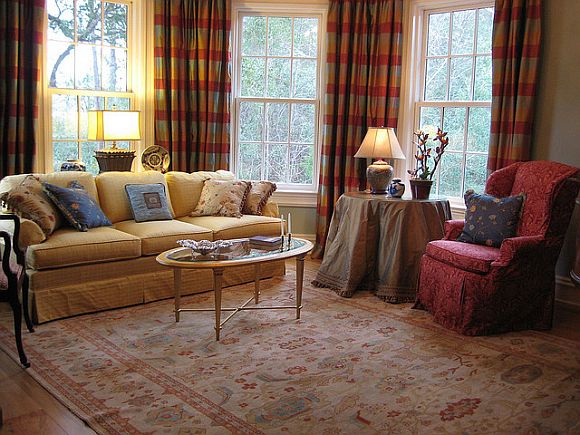
One of the more unexpected summaries in the report? A theory that living rooms will vanish, or be incorporated into other rooms. Of course, applying this report to a home depends heavily on the definition of a living room. We grew up with living rooms as formal spaces that were usually reserved for company–they didn’t have televisions, and typically had nicer furnishings and decor.
“An overwhelming majority of respondents do not expect the living room to stay in its current room,” according to the NAHB report. “Instead, more than half (52 percent) expect the living room to merge with other spaces in the home, while 30 percent expect it to vanish to save on square footage.”
Great Room Grows Bigger
As the traditional living room fades, the great room is stepping in to do more than ever. Once defined as a casual combination of kitchen, dining, and family room, today’s great room is evolving into a true multi-purpose hub—one space that supports entertaining, relaxing, working, and even sleeping. This shift reflects how modern households actually live: less formality, more flexibility.
Furniture is playing a major role in making these larger, open spaces functional. Modular sectionals that can be reconfigured for gatherings, nesting coffee tables that adapt to different uses, and media consoles with hidden storage all help reduce clutter while increasing versatility. Space-saving pieces like Koala’s sofa beds take this idea a step further, allowing the great room to double as a guest space without dedicating an entire room to occasional use.
We’re also seeing a rise in furniture designed to subtly define zones within the great room—area rugs to separate lounging from dining, bookshelves that act as low-profile dividers, and expandable dining tables that can accommodate both everyday meals and larger get-togethers. As homes prioritize openness over excess square footage, the growing great room isn’t just bigger in size—it’s bigger in responsibility, doing the work of several rooms in one thoughtfully designed space.
Would You Miss Your Living Room?
Are you attached to the concept of a living room and refuse to give it up, even to save on square footage? Or do you feel this trend is part of the natural evolution of home design based on our economy, lifestyles and other defining factors?
We’d love to hear your thoughts!
Photo: Flickr.com/photos/kerryanndame/3442539526/

No Comments