A well-equipped workshop is a place of creativity, precision, and problem-solving. It is also an environment where sharp edges, high speeds, heavy materials, and combustible dust exist in close proximity. Whether you are milling hardwood, tuning up a table saw, or tackling a weekend renovation, the margin for error is small.
Experienced DIYers understand that skill alone does not prevent injury. Discipline does. Clear safety protocols, consistent habits, and respect for tools separate productive shops from dangerous ones. The following workshop safety rules are not optional guidelines. They are foundational practices that protect your hands, your vision, and your ability to keep building for years to come.
Wear the Right Protective Gear
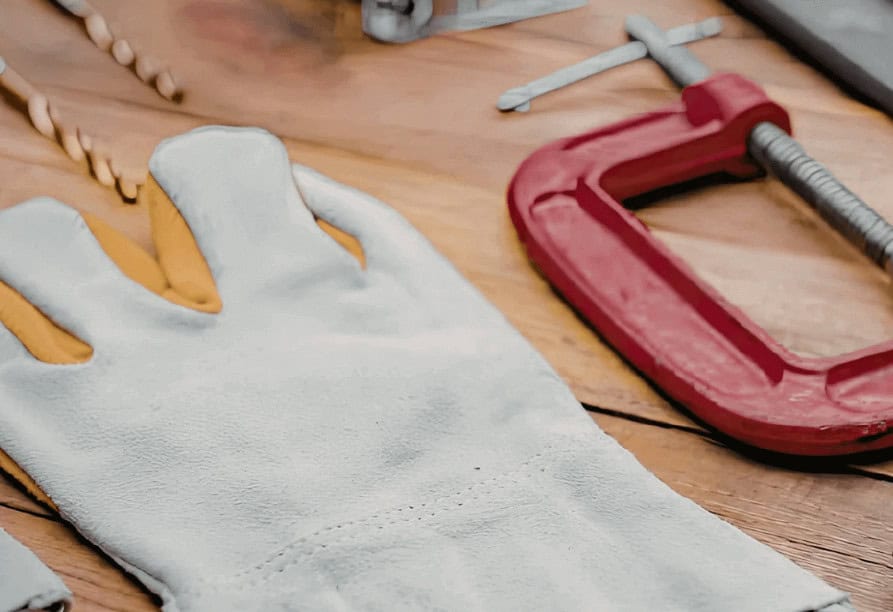
Safety gear is the most important in safety rules in any workshop. Protective glasses shield your eyes from flying debris, while ear protection reduces the risk of hearing damage from loud machinery.
Gloves can be useful for handling rough materials, but they should never be worn when operating rotating tools, as they can catch and pull your hand into danger.
If you love wearing slip-on mules at home, wear sturdy footwear when working on a project to protect yourself against dropped tools or heavy materials.
If you’re tired, frustrated, or improvising unsafe solutions, it’s often smarter to pause a DIY project before it becomes unsafe rather than push through and risk injury.
Keep Your Workspace Organised
A cluttered workspace increases the risk of accidents. Tools left lying around can cause trips or falls, and misplaced equipment can lead to mistakes. Always return tools to their proper place after use and keep pathways clear. Good organisation also makes your work more efficient, allowing you to focus on the task without distractions.
Remove Jewellery Before Using Tools
One of the most overlooked safety rules is removing jewellery before working with power tools. Rings, bracelets, and watches can catch on rotating parts or conduct electricity, leading to serious injuries. Degloving injuries, where skin and tissue are pulled away from the finger, are particularly dangerous and often caused by rings.
Before firing up the table saw, remove watches and wedding rings, as loose metal can easily become a hazard. Even sentimental items like Cullen wedding rings should be taken off temporarily to ensure your safety. Place them somewhere secure and return them once the work is done.
Respect Power Tools
Power tools are incredibly useful but demand respect. Always read the manufacturer’s instructions and follow recommended safety practices. Never bypass safety guards or use tools in ways they were not designed for. Keep hands and clothing away from moving parts, and ensure tools are switched off and unplugged before making adjustments. Treat every tool as if it could cause harm, because it can.

Ventilation and Dust Control
Workshops often produce dust and fumes that can harm your lungs. Proper ventilation is essential, especially when working with paints, adhesives, or treated wood. Use dust collection systems or wear a respirator when cutting or sanding materials. Clean the workspace regularly to prevent dust buildup, which can also become a fire hazard.
Fire Safety Awareness
Many DIY projects involve flammable materials. Keep a fire extinguisher nearby and know how to use it. Avoid smoking or using open flames in the workshop. Store chemicals and solvents properly, away from heat sources. Being prepared for fire risks ensures you can act quickly if something goes wrong.
Stay Focused and Avoid Fatigue
Accidents often happen when people are tired or distracted. If you feel fatigued, take a break rather than pushing through. Concentration is key when handling sharp tools or machinery. Avoid alcohol or substances that impair judgment, and keep your phone away from the workbench to minimise distractions.
Train Yourself Continuously
Safety is not a one-time lesson. As you take on more complex projects, continue learning about best practices and new tools. Many community centres and hardware stores offer workshops on safe tool use. Investing time in training builds confidence and reduces risks.
Safety First, Creativity Second
Every serious DIYer invests in quality tools. The same level of investment should apply to safety rules. Protective gear, organized workspaces, proper ventilation, and focused attention are not barriers to creativity. They are what make sustained craftsmanship possible.
A workshop should be a place where projects move forward with confidence, not close calls. When safety becomes routine rather than reactive, productivity improves and risks decline. Build the habit of discipline now, and your workshop will remain what it is meant to be: a controlled environment where skill, precision, and creativity thrive.