Protecting your home starts with proactive maintenance. While upgrades like a new kitchen island or walk-in shower can improve your space, maintaining critical systems like the roof should always come first. Your roof protects everything beneath it, yet it is one of the most overlooked parts of the home until a problem appears.
Many roofing issues begin with small warning signs that are easy to miss. Roof damage can develop beneath shingles or inside the attic long before leaks become visible. When these early signals go unnoticed, minor issues can turn into costly repairs involving insulation, structural supports, or interior finishes.
In this article, we’ll walk through five warning signs of hidden roof damage every homeowner should know. Recognizing these problems early can help you take action before they become expensive emergencies. Many of these warning signs can be spotted during a simple visual inspection of your ceilings, attic, or roofline.
1. Water Stains on Ceilings or Walls
You don’t have to go up on the roof to notice one of the most common roof damage. If you’re seeing water stains on the ceilings or walls, that’s all the evidence you need. This means moisture has already made its way through the roofing system and into the house’s interior structure.
The stains are usually yellow or brown, and they may appear in circular patterns. You might also notice bubbling paint, peeling drywall, or a slight sagging in the ceiling.
The trickiest part is locating the source of the leak once you notice the stains. Water can travel within the ceiling before eventually appearing in a visible location. So the actual roof damage may be several feet away from where the stain is visible.
If you miss or ignore these signs, you could face bigger issues down the road. Persistent moisture can lead to mold or damage insulation, which reduces your home’s energy efficiency. Procrastination could be the reason you end up with compromised structural integrity of your ceilings or walls.
You should investigate any unexplained water stain as soon as it appears, especially after heavy rain or severe storms. Don’t make the mistake of thinking the problem resolved itself if the stain dries up. Get a professional roof inspection to identify the exact source of the leak and prevent it from getting worse.
2. Missing or Damaged Shingles
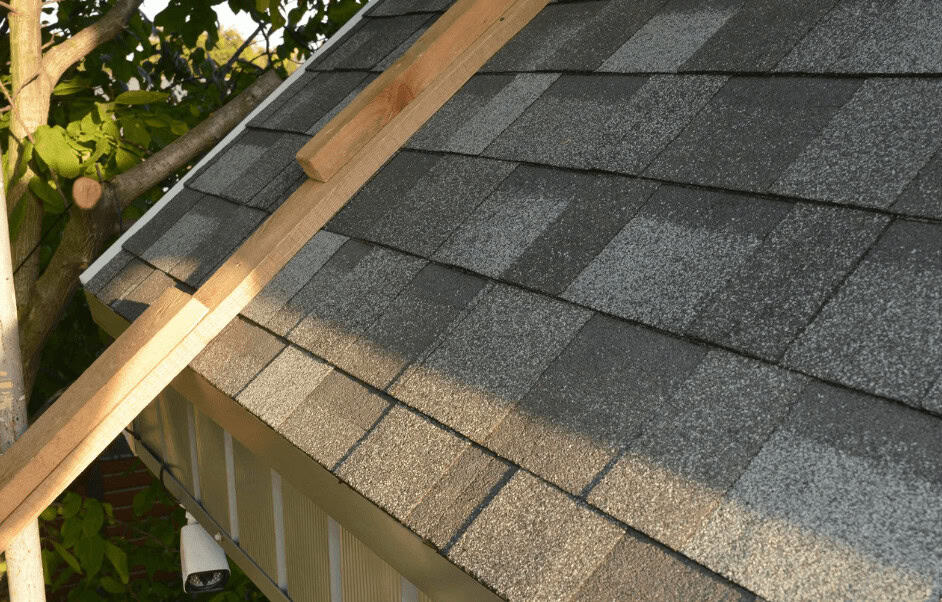
Shingles are your first line of defense against rain, wind, and harsh weather conditions. When shingles are damaged, the protective barrier weakens, allowing moisture to reach the underlying layers and eventually enter the home.
If you have shingles that are missing, curling, cracked, or warped, it’s time to act. Curling shingles will be lifted at the edges, while cracked shingles will have visible fractures across their surface. Strong winds can even remove the shingles entirely, leaving the roof exposed.
Shingle damage is mostly caused by aging materials, too much sun exposure, or severe weather. Even a small area of missing or damaged shingles can allow water to seep beneath your roof’s surface. Once moisture reaches the underlayment or roof decking, it’s a wrap. It will slowly spread and cause hidden damage that may not be visible until much later.
But just like the water stains, you don’t need to climb on the roof to inspect your shingles. Roof damage can be spotted from the ground using binoculars or by simply observing the roof line. Remember to always check for lifted or uneven shingles after a major storm.
3. Light Shining Through the Attic
The attic is probably one of the least visited areas of your home, but a quick look inside during daylight hours can reveal a lot. If sunlight is visible through the roof boards, it is a good chance there are openings or gaps in the roofing structure.
You might see small beams of light where shingles have been lost or where roof decking has developed cracks or holes. No hole or crack is insignificant because it can let water, air, or insects into your home.Gaps like these are usually found after severe storms or strong winds that can shift roofing materials.
But an aging roof can also develop small separations as materials expand and weaken. If sunlight can penetrate the roof, rainwater can also seep through those same openings. Even a small amount of moisture entering the attic can damage insulation and eventually lead to visible water damage.
While inspecting the attic, look for other warning signs, like damp insulation, musty odors, or dark water stains on wooden roof beams. Attic inspections are especially useful after heavy storms, hurricanes, or strong winds. Catching these small openings early allows homeowners to repair damaged roofing materials before leaks begin.
A professional roofer, like Vista Roofing Company Dils Roofing, can identify the exact source of the problem and recommend appropriate repairs.
4. Granules in the Gutters
If you’re doing some spring cleaning and clearing out the gutters, you may notice small, sand-like particles collecting near downspouts or in the gutter channels. These particles are roofing granules.
They make up the protective covering on asphalt shingles, and they shield the shingles from ultraviolet (UV) rays, improve fire resistance, and help regulate roof temperature. Your shingles will lose granules as they deteriorate.
Some loss is normal, but excessive buildup in gutters could mean a worn roof. Another visual clue is “bald spots” on shingles. They might look darker or smoother than the surrounding surface because the protective granules have been worn away.
Make a habit of checking gutters and downspouts every spring. If you notice a large accumulation or see patches on shingles where granules are missing, it may be time to schedule a roof inspection.
5. Higher Energy Bills
A sudden increase in energy bills can sometimes point to hidden roof damage. While heating and cooling costs naturally fluctuate throughout the year, an unexplained spike may indicate problems with your roof or attic.
Your roof works together with attic insulation and ventilation to regulate the temperature inside your home. When roofing materials deteriorate or small gaps develop, conditioned air can escape through the attic while outside air enters the home.
This forces heating and cooling systems to work harder to maintain a comfortable indoor temperature.
During the summer, cooled air from your air conditioning system can leak through the roof or attic space. In winter, warm air can escape in the same way. Over time, this loss of conditioned air can significantly increase energy use.
You may also notice certain rooms becoming harder to heat or cool than others. If uneven temperatures appear alongside higher energy bills, it may be worth inspecting the attic for moisture, damaged insulation, or air leaks that could be connected to roofing issues.
Stay Ahead of Roof Problems
Your roof plays a critical role in protecting your home from weather, moisture, and structural damage. While many roofing problems begin out of sight, they often leave subtle warning signs that homeowners can spot early.
Paying attention to issues like water stains, damaged shingles, attic light leaks, gutter granules, or unexplained energy bills can help you catch roof damage before it becomes a costly repair or before new roof installation becomes a necessity.
Regular visual inspections and timely maintenance can extend the lifespan of your roof and prevent minor issues from turning into major structural problems.
By staying alert to these warning signs, homeowners can take action early and keep their homes safe, efficient, and well-protected.