Relocating to a new home ranks among the most stressful life events a person can experience, often mentioned in the same breath as divorce or changing jobs. Roughly 27 million Americans move to a new residence each year, according to Census Bureau estimates, and a significant portion of them describe the process as overwhelming.
The good news is that with the right approach, much of that stress can be minimized. Careful planning, smart organization, and a few practical strategies can transform a chaotic move into a manageable, even smooth, transition.
Start Planning Well Before Moving Day
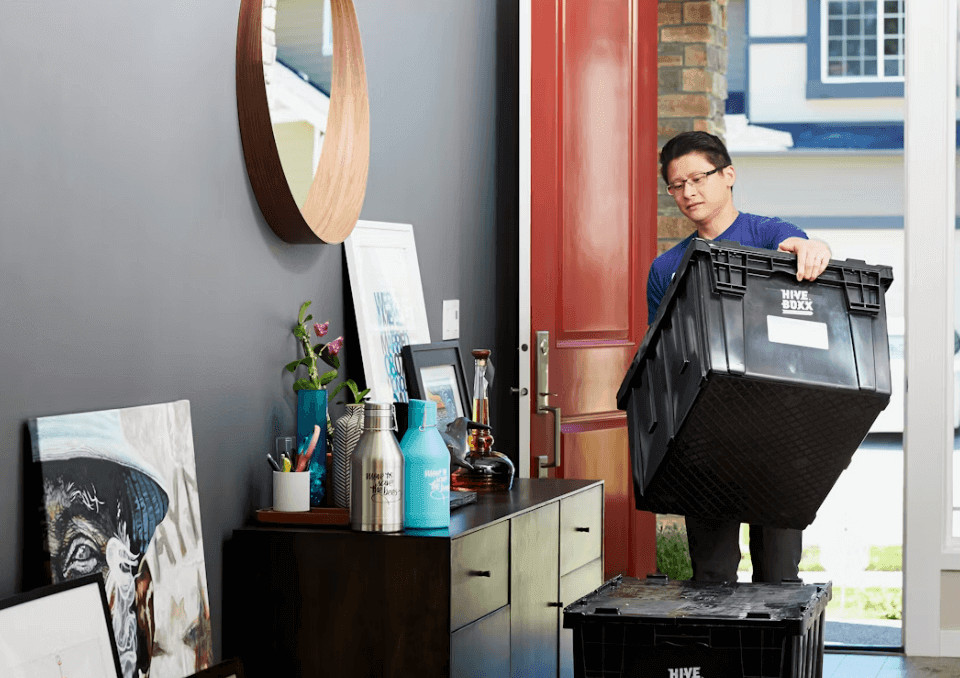
One of the biggest mistakes people make is waiting until the last minute to begin preparations. Professional movers and relocation experts consistently recommend starting the planning process at least six to eight weeks before the move date. This window allows enough time to research moving companies, gather packing supplies, and sort through belongings without feeling rushed.
According to Jared’s Moving (JaredsMoving.com), ‘homeowners who begin organizing early tend to spend significantly less on last-minute expenses like expedited shipping fees or emergency supply runs. Creating a detailed timeline with weekly tasks can keep the process on track and prevent the frantic, disorganized packing that often happens in the final days before a move.’
Early planning also gives movers the opportunity to compare quotes from multiple moving companies. Prices can vary substantially between providers, with some estimates showing a difference of 30 percent or more for comparable services depending on the season and location. Booking a mover during peak season, which typically runs from May through September, can also cost considerably more than scheduling during the fall or winter months.
Declutter Before You Pack
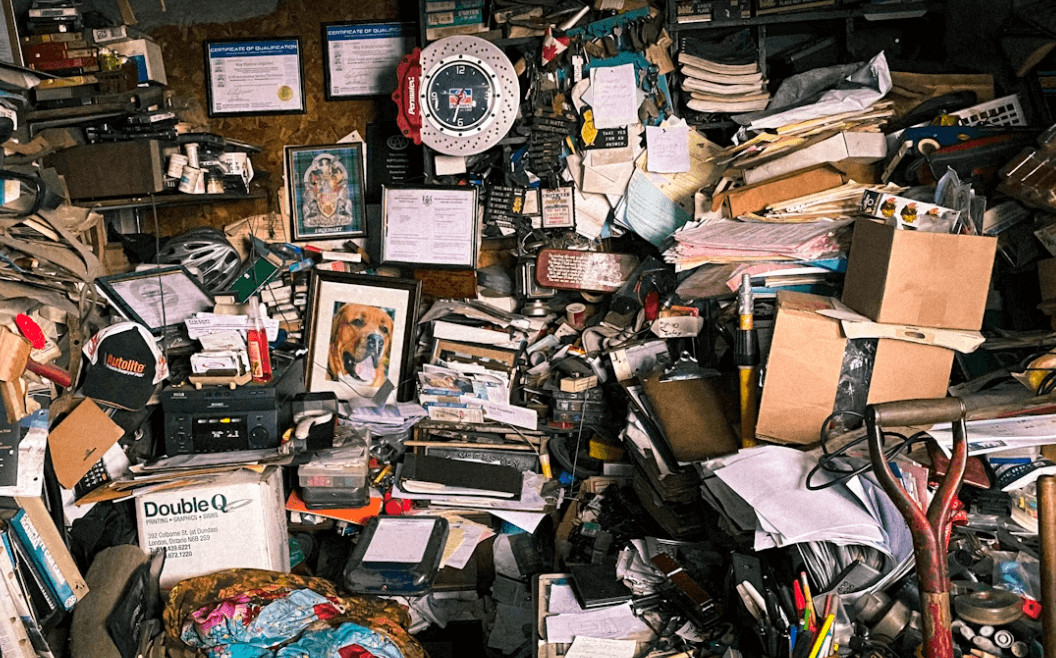
Moving offers a rare opportunity to evaluate possessions and get rid of items that are no longer needed. Professional organizers often note that the average household accumulates far more belongings than necessary, and many people end up paying to move boxes of items they haven’t touched in years.
Sorting through closets, garages, and storage spaces before packing begins can dramatically reduce the volume of items that need to be transported. This not only lowers moving costs, since many companies charge based on weight or volume, but also simplifies the unpacking process at the new home.
A practical approach is to divide belongings into four categories: keep, donate, sell, and discard. Items in good condition that are no longer wanted can be donated to local charities or sold through online marketplaces, which has become an increasingly popular way to offset moving expenses. Furniture, electronics, and clothing often hold resale value, and a well-organized yard sale or online listing can bring in a meaningful amount of extra cash before the big day.
Label Boxes Strategically
Disorganized packing is one of the leading causes of stress during unpacking. Labeling every box clearly with its contents and destination room can save hours of confusion later.
Color-coding boxes by room, using bright stickers or markers, allows movers and helpers to place items in the correct location immediately rather than creating a maze of unmarked boxes in the living room. Numbering boxes and keeping a corresponding inventory list is another technique used by professional movers to track belongings and quickly identify if anything goes missing during transit.
It also helps to pack an essentials box separately, containing items needed immediately upon arrival such as toiletries, chargers, a change of clothes, and basic kitchen supplies. This eliminates the frustrating scenario of digging through dozens of boxes on the first night just to find a toothbrush or phone charger.
Protect Fragile and Valuable Items
Breakage during a move is a common concern, and statistics suggest that a notable percentage of moving-related insurance claims involve damaged furniture or fragile household items. Wrapping breakables individually in bubble wrap or packing paper, and using sturdy boxes with proper cushioning, can prevent costly damage.
Dishes should be packed vertically rather than stacked flat, as this distributes pressure more evenly and reduces the risk of cracking. Mirrors, artwork, and electronics benefit from specialty boxes designed to protect flat or oddly shaped items.
For particularly valuable possessions, such as jewelry, important documents, or family heirlooms, it’s wise to transport them personally rather than placing them on the moving truck. This reduces the risk of loss and provides peace of mind throughout the process.
Hire Reputable Professionals
While some people choose to handle a move entirely on their own, hiring licensed and insured movers can significantly reduce physical strain and logistical headaches, especially for long-distance relocations.
It’s important to verify a company’s credentials, read customer reviews, and confirm insurance coverage before signing a contract. Unlicensed or unverified movers have been linked to a rise in moving fraud cases in recent years, making due diligence essential.
Requesting an in-home or virtual estimate rather than relying solely on a phone quote can also help avoid unexpected charges on moving day. Reputable companies will provide a written estimate outlining all fees, including charges for stairs, long carries, or bulky items.
Prepare the New Home in Advance
Before arrival, it helps to confirm that utilities such as electricity, water, and internet are set up and ready to go. Cleaning the new space before furniture arrives makes settling in far easier, and taking measurements of doorways and rooms ahead of time can prevent the common problem of furniture not fitting through entryways.
A well-organized move doesn’t happen by accident. It results from early planning, thoughtful decluttering, careful packing, and choosing the right professional support. By following these practical steps, the transition to a new home can become a far less stressful and more efficient experience overall.