Smart sunglasses are starting to make more sense as everyday gear, especially when you are doing something that already has your hands full.
Instead of stopping to pull out a phone, open the camera, and frame a shot, camera-equipped glasses let you capture what is in front of you while you keep moving. That can be useful on a bike ride, during a DIY project, while traveling, or when something happens too quickly to reach for your phone.
The appeal is not that smart sunglasses replace a good smartphone camera. They do not. Their advantage is convenience. With the camera already on your face and close to eye level, it becomes easier to record first-person footage without turning the moment into a filming session.
For anyone who likes useful tech, hands-free tools, or a better way to document everyday projects and experiences, that is where smart sunglasses start to get interesting.
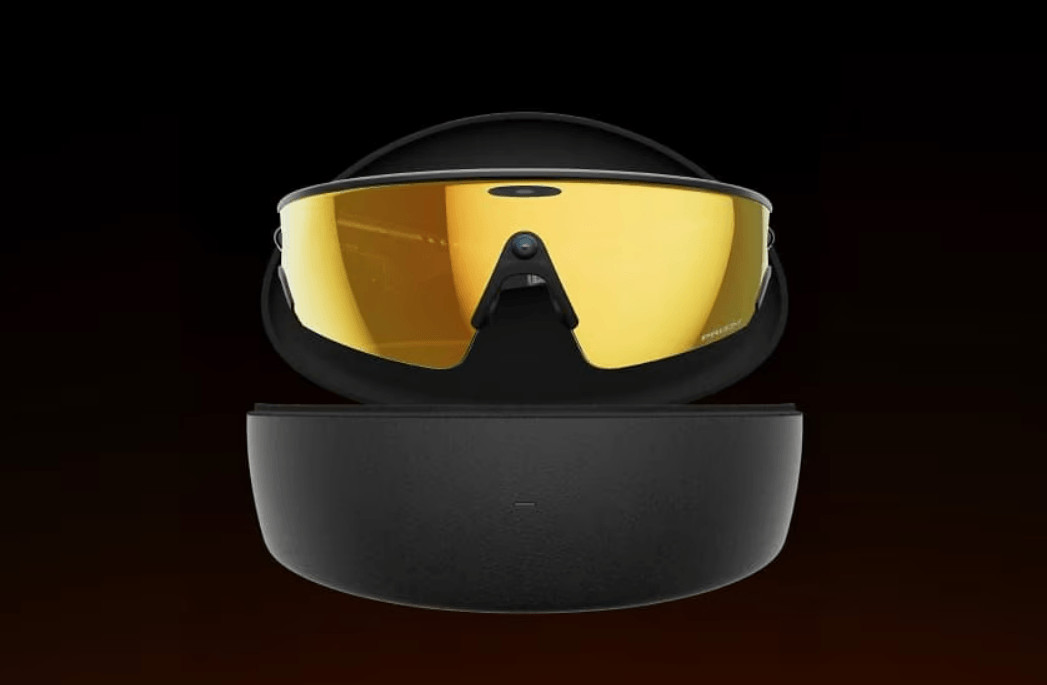
The Phone Has Always Been the Wrong Tool for This
Smartphone cameras are excellent, but using one still requires you to stop what you are doing. You have to reach for the device, unlock it, open the camera, frame the shot, and decide when to start recording. By then, a quick moment may have passed. In social situations, people may also behave differently once they notice a phone pointed at them.
The problem is not the camera itself. It is everything you have to do before you can use it.
Action cameras and wearable clip-ons have tried to reduce this friction for years. Meta sunglasses take the idea further because the device can already be on your face when something happens. There is no separate camera to pull out and aim.
The camera is passive until activated, and it sits close to eye level. When you turn your head to look at something, the camera moves with you. That creates a different kind of footage from what you typically get when holding a phone.
Instead of watching life through a phone screen while recording it, you can keep looking at what is happening in front of you.
What Eye-Level Footage Actually Does Differently
The perspective of smart sunglasses explains much of why the footage feels different from phone video.
Phone cameras can sit at chest height, eye level, above your head, or at arm’s length. The angle depends on how you hold the device. You also tend to watch the phone’s screen while recording, which can change where you look and how you interact with the people around you.
Smart sunglasses capture video from close to your natural line of sight. They do not record exactly what your eyes see, but they provide a first-person perspective that can be difficult to reproduce consistently with a handheld phone.
The difference becomes clear during conversations, travel, outdoor activities, and hands-on projects. When you turn to look at something, the camera follows the movement of your head. You do not have to stop and point another device in the same direction.
This can make the video feel more immediate. A conversation, for example, is recorded from near the wearer’s eye level rather than from a phone being held out in front of them.
For creators who build content around human moments, travel encounters, street scenes, tutorials, or other real-world interactions, that perspective can put viewers closer to the experience.
The Sharing Workflow Has Changed Too
Capturing better footage is only part of the equation. Getting it from the glasses to your phone also needs to be simple.
Earlier wearable cameras could mean dealing with another device, another memory card, and another transfer process. Current smart glasses are designed to work more closely with the phone you already carry.
Current smart glasses pair with phone apps that can sync footage, support basic selection and editing, and make it easier to move clips into the apps where they will be shared. Footage captured during a morning walk can be reviewed and prepared for posting without opening a laptop.
For creators who operate across multiple platforms, this makes first-person footage easier to work into regular content production. There is less equipment to manage and less need to stop and set up every shot.
The same benefit applies outside professional content creation. Someone can record a trip, bike ride, hike, family event, or hands-on project without planning every moment in advance.
Why Authenticity Is the Real Currency Right Now
Short-form video does not always need to look polished. Social platforms are full of videos shot in kitchens, workshops, cars, streets, stores, and backyards. Much of this content works because it feels immediate and personal. That has created more room for casual, first-person video alongside highly produced content.
Smart eyewear fits naturally into that style. A camera worn near eye level records the small movements that happen when you look around, talk to someone, or work with your hands. The result can look less polished than a carefully framed shot, but that can also make the footage feel more immediate.
Viewers get a stronger sense of seeing the experience as it happened. There is less visible setup and less separation between the person recording and the activity being recorded.
That does not mean first-person footage automatically performs better than polished video. Results depend on the subject, audience, platform, timing, and execution. What smart sunglasses offer is another way to capture natural footage without turning every moment into a filming session.
For creators, that can mean having more material to choose from at the end of the day.
Beyond Content Creation: The Personal Archive Case
Not everyone who uses smart sunglasses is building a content business. There is a simpler reason to use them: remembering things.
Most people’s photo libraries are full of posed shots, landmark photos, restaurant pictures, and carefully framed views. Those photos matter, but they often record the highlights of a trip rather than everything that happened between them.
The in-between moments are harder to save. It might be a conversation while walking somewhere, the weather, a view from a bike, someone’s reaction to seeing a place for the first time, or a child doing something funny before anyone can reach for a phone.
Smart sunglasses make those moments easier to capture because you do not have to go through the same process of reaching for a phone and framing a shot.
Over the course of a trip or an ordinary day, that can create a different kind of personal archive. Along with the photos you deliberately stopped to take, you can save short clips of what you were actually doing and seeing.
Months or years later, those ordinary clips may be the ones that bring back the strongest memories.
The Social Layer: Sharing Without Stopping
One practical advantage of smart sunglasses is that some common tasks can be handled without pulling out a phone.
Depending on the device and supported services, voice controls can handle tasks such as taking a photo, starting a recording, making a call, listening to messages, or interacting with an AI assistant. Some features still require a phone or app, so the experience is not completely screen-free.
Even so, voice control can reduce how often you need to physically handle your phone.
That becomes especially useful when your hands are busy. Someone working on a DIY project can record what they are doing without trying to hold a phone at the same time. Charles & Hudson has explored a similar idea before with wearable technology used to guide DIY projects. The same hands-free benefit applies to cooking, walking, yard work, travel, and other activities where holding a camera gets in the way.
For creators, fewer interruptions can also mean more chances to capture useful material during the day. Instead of setting up every clip, they can record first-person footage as things happen and decide later what is worth sharing.
For anyone building an audience around their life and travels, smart sunglasses can shift more of the attention from managing the camera to telling the story.
Smart Sunglasses Still Have Limits
Hands-free recording comes with tradeoffs, and those tradeoffs matter if you are thinking about using smart sunglasses as an everyday camera.
Battery life is one of them. Recording video, using speakers, making calls, and running AI features all use power. How long a pair lasts depends on the model and how heavily those features are used.
The small cameras built into glasses also have limits. A smartphone gives you more control over composition and usually offers more camera options. If you want a carefully framed landscape, need to shoot in difficult lighting, or want to zoom in on something far away, your phone may still be the better choice.
Privacy deserves attention too. Camera-equipped glasses can be less obvious than someone holding up a phone. Recording indicators help signal when the camera is active, but the person wearing the glasses still needs to think about where recording is appropriate and whether people around them know they are being filmed.
Knowing these limits makes it easier to see where smart sunglasses work best. They are most useful when convenience, a first-person perspective, and hands-free recording matter more than having complete control over the shot.
Conclusion
Smart sunglasses still have some practical limits. Battery life matters, a phone will often take the better photo, and wearing a camera around other people comes with a responsibility to respect their privacy.
Where these glasses earn their place is when pulling out a phone is inconvenient. If you are working with both hands, riding a bike, walking through a new city, or trying to catch something before the moment passes, having a camera ready at eye level can be genuinely useful.
That makes smart sunglasses an interesting piece of everyday gear. You may still reach for your phone when you want the perfect shot. For the moments when you simply want to capture what you are seeing and keep going, the glasses have a clear job to do.