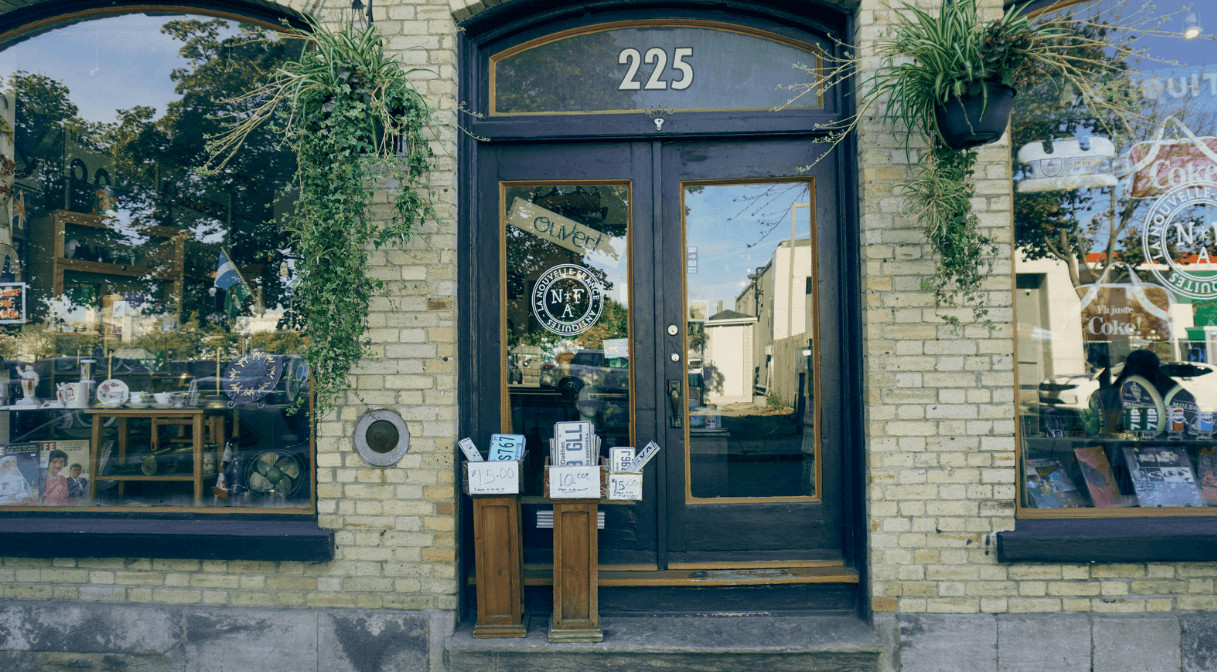
Large glass windows and doors give a storefront its open, welcoming appearance. They bring in natural light, make merchandise visible from the sidewalk, and help customers see inside before entering. But standard storefront glass can also be one of the building’s weakest points during a break-in.
Replacing an entire storefront with security-rated glass can be expensive. It may also require new framing, door hardware, and several days of construction. For owners looking to improve an existing building, retrofitting the glass is often worth exploring first.
Security window film, polycarbonate panels, and reinforced door hardware can improve protection without changing the storefront’s appearance. Some upgrades fit over existing glass, while others involve replacing individual panels or repairing worn components.
Before planning a full replacement, it helps to understand how storefront security glazing for specialty retail works and which upgrades make sense for your building.
Why Standard Storefront Glass May Need Reinforcement
Most commercial storefronts use large glass panels supported by aluminum or steel frames. These systems provide visibility and natural light, but their resistance to forced entry depends on the type of glass, framing, and hardware.
Standard tempered glass is designed to break into small pieces rather than sharp shards. That’s useful for everyday safety, but it doesn’t necessarily make the glass difficult to break through.
Laminated glass behaves differently. It contains an interlayer that helps hold broken pieces together after an impact. Security glazing systems take this idea further by combining impact-resistant materials with reinforced mounting methods.
For a closer look at how glazing and frame materials affect window performance, see Charles & Hudson’s guide to glass types and window materials. The difference matters when someone deliberately tries to enter a building.
In October 2025, ABC11 reported several break-ins at gaming stores around Raleigh, North Carolina. At one location, a thief broke through a glass door and escaped with approximately $6,000 in merchandise in about 30 seconds.
The incident shows how quickly a vulnerable glass entrance can fail. For building owners, the challenge is finding a way to strengthen that opening without sacrificing visibility or taking on a costly renovation.
1. Upgrade Existing Glass With Security Window Film
Security window film is one of the least disruptive ways to reinforce existing storefront windows.
Installers apply the clear film to the interior surface of the glass. If the pane breaks, the film helps hold the fragments together instead of allowing them to fall away immediately.
This can make it harder to create an opening through the damaged window. Because the film is transparent, it generally doesn’t change how the storefront looks from the street. That’s useful for businesses that rely on window displays or natural light.
Choosing the Right Film Thickness
Security film comes in different thicknesses, measured in mils. One mil equals one-thousandth of an inch.
| Film thickness | Typical application |
| 4 to 8 mil | Basic glass retention and protection against scattered fragments |
| 8 mil with anchoring | Entry-level protection for lower-risk storefronts |
| 15 mil | Higher-risk windows and merchandise display areas |
| 24 mil | Applications requiring greater resistance to repeated impacts |
These are general application examples rather than universal performance ratings. Thicker film may resist tearing better than thinner products, but thickness alone doesn’t determine how secure a window will be.
The type of glass, condition of the frame, and installation method also affect performance. When comparing products, ask for test results that apply to the complete glazing system rather than choosing film based only on its thickness.
Why Anchoring Is Important
One detail that’s easy to overlook is how the film connects to the window frame. If the film isn’t anchored properly, the broken glass may remain attached to the film but still be pushed out of the opening.
Wet-glaze anchoring uses a compatible structural sealant around the edges to help secure the filmed glass to the frame. Some systems also use mechanical attachments for added support.
Ask whether anchoring is included in the installation quote. An installer should also inspect the existing frames for damage, loose components, or other conditions that could affect the finished system.
Can Security Film Be Installed on Any Window?
Not every glass panel is suitable for every type of film. Some combinations of glass and window film can increase heat buildup, especially on sun-facing windows. This may create thermal stress and raise the risk of cracking.
Before installation, a qualified contractor should identify the existing glass and confirm that the proposed film is compatible. Security film can be a useful retrofit, but it needs to be selected for the specific window.
2. Add Polycarbonate Panels for Greater Impact Resistance
For storefronts that need more protection, polycarbonate glazing overlays offer an alternative to replacing the original glass.
Polycarbonate is a lightweight plastic known for its high impact resistance. Unlike ordinary glass, it can absorb substantial force without shattering in the same way.
A security glazing overlay uses a clear polycarbonate panel mounted over an existing window. A dedicated frame or attachment system holds the panel in place.
Because the original glass can often remain in place, the work may involve less demolition than a complete storefront replacement.
Standard Polycarbonate vs. Security-Grade Panels
Polycarbonate sheets are available from building supply stores and plastics suppliers, but not every sheet is suitable for commercial glazing.
Ordinary polycarbonate scratches more easily than glass. Over time, frequent cleaning and exposure to sunlight can also affect its appearance, depending on the product and coating.
Security-grade panels often include protective coatings designed to resist scratches, surface damage, and weathering.
ArmorPlast, made by Riot Glass, is one example of a polycarbonate product line intended for security glazing.
The AP25 panel is approximately 0.236 inches thick and is offered with protective hard coatings. The thicker AP375 panel measures approximately 0.375 inches and is intended for applications requiring greater resistance.
Check the manufacturer’s current specifications, warranty terms, and tested configurations before selecting either product.
Why the Frame Matters as Much as the Panel
A strong glazing panel won’t provide its intended level of protection if the mounting system fails. Security glazing systems are tested using specific combinations of panels, frames, and attachment methods.
For example, ASTM F3561 is a standard used to evaluate how well a glazing system resists forced entry under defined test conditions. A panel tested in a fully reinforced frame may perform differently when installed with a simpler surface-mounted system.
Before approving an installation, ask the contractor which test results apply to the exact panel and framing method being proposed.
This is particularly important when adding an overlay to older aluminum storefront frames.
3. Inspect Storefront Doors and Hardware
Storefront doors deserve as much attention as the windows.Unlike fixed glass panels, doors open and close throughout the day. Their security depends on the glazing, frame, hinges, locks, and latch hardware working together.
Even a reinforced glass panel may offer limited protection if the door can be forced open at the latch.
Start by inspecting the entrance for common problems:
- Loose or damaged hinges
- Worn locks and latch hardware
- Door frames that have shifted out of alignment
- Glass panels that move within their frames
- Damaged seals or loose framing components
A door that doesn’t close squarely may need adjustment or hardware repairs before any glazing upgrade.
Repair or Replace the Existing Door?
A full door replacement isn’t always necessary. Commercial aluminum doors can sometimes be repaired with new hardware, frame adjustments, or reinforcement around vulnerable areas.
If the frame is badly damaged or the door no longer operates properly, replacement may be the better long-term option.
A commercial door specialist can inspect the existing assembly and recommend the appropriate repair.
Any changes to locking hardware must also comply with applicable building, accessibility, and fire codes. Employees and customers must be able to exit safely during an emergency.
Don’t Overlook Sidelights
The narrow glass panels beside a storefront door are called sidelights. They help bring daylight into the entrance, but they may also be vulnerable to impact.
When planning a security retrofit, have the contractor inspect the door and adjacent sidelights together. Reinforcing only the door glass may leave another nearby opening unprotected.
4. Consider Laminated Glass for Replacement Panels
Security film and polycarbonate overlays aren’t the only options.
If an existing window is damaged or already needs replacement, laminated glass may be worth considering.
Laminated glass contains two or more layers of glass bonded with an interlayer. When struck, the glass can crack while the interlayer helps hold the fragments together.
The material is used in many applications where glass retention and safety are important.
For a storefront renovation, laminated glass may be suitable for doors, windows, or display cases, depending on the required performance.
However, laminated glass isn’t automatically rated for forced-entry protection. Its resistance depends on the glass thickness, interlayer, framing, and tested assembly.
What to Check Before Replacing Glass
Before ordering a replacement panel, have the contractor confirm:
- The dimensions and thickness of the existing glass
- The capacity of the frame to support the new panel
- Whether the glazing system requires additional reinforcement
- The applicable safety glazing requirements
- Any changes needed to seals, gaskets, or hardware
A thicker or heavier panel may not fit properly in the existing frame.
For older storefronts, the condition of the framing may determine whether a retrofit or full replacement makes more sense.
5. Improve Security Through Store Layout and Lighting
Building improvements don’t stop at the windows and doors. The way a storefront is arranged can also affect security, especially when valuable merchandise sits close to the entrance.
Before investing in new materials, take a look at the floor plan.
Move Valuable Displays Away From the Entrance
Expensive merchandise placed directly beside the front door is easier to reach during a break-in. Moving high-value products farther inside the store can reduce that exposure.
For shops selling jewelry, electronics, or collectibles, lower-value products and display samples may be better suited to front windows.
The most valuable merchandise can remain in secured cases where employees have a clear view.
Keep Entrances and Display Areas Visible
Good lighting helps employees monitor the sales floor and makes the storefront more visible after dark.
Exterior lighting should cover the entrance and other vulnerable areas without creating excessive glare.
Inside, avoid placing tall shelving where it blocks views of doors or valuable displays. Keep aisles accessible and maintain clear emergency exit routes.
Secure Merchandise After Closing
For businesses with small, expensive products, overnight storage is another consideration.
Moving valuable inventory into a properly secured safe or storage room reduces the amount of merchandise exposed through storefront windows after hours.
These changes cost relatively little compared with replacing glass or door assemblies.
6. Combine Physical Upgrades With Cameras and Alarms
Security cameras and alarms are useful, but they don’t replace stronger windows and doors.
An alarm can notify an owner or monitoring service when a break-in occurs. Cameras can record activity and provide evidence afterward.
Physical upgrades address the building itself. Security film may help keep broken glass in place, while polycarbonate overlays can provide additional resistance to repeated impacts.
For a more complete setup, position cameras to cover entrances and valuable display areas. Keep exterior lights working and test alarms regularly.
The goal is to make the building harder to enter while ensuring that an attempted break-in is detected.
7. Plan Storefront Security Upgrades Around Your Budget
A complete storefront replacement can involve significant material and labor costs. For smaller businesses, upgrading the existing building in stages may be more practical.
Start with repairs that address obvious weak points, then consider larger improvements where they will have the most value.
Start With Maintenance and Minor Repairs
Inspect door hardware, repair damaged frames, improve lighting, and move valuable merchandise away from vulnerable windows.
These changes may require little more than routine maintenance and a revised floor plan.
Get Estimates for Security Film
If the existing glass is in good condition, ask a qualified installer whether security film is suitable.
The estimate should identify the film product, thickness, anchoring method, and any preparation needed.
Ask about glass compatibility and whether the installation includes a warranty.
Reinforce Vulnerable Doors and Windows
For entrances or display windows that need greater protection, consider polycarbonate overlays or replacement glazing.
A contractor can help determine which openings should be upgraded first.
Replace Damaged or Outdated Components
If the existing frames, doors, or glazing are in poor condition, repairs may no longer be cost-effective.
In that case, replacing individual assemblies may provide better long-term value than adding reinforcement to deteriorating components.
What to Ask Before Hiring a Storefront Glazing Contractor
Two contractors may recommend similar-looking products but include very different installation methods.
One quote might cover security film with perimeter anchoring. Another may include only the film. Polycarbonate proposals can also vary in panel thickness and framing.
Before approving the work, ask:
- Can the existing glass and frames remain in place?
- What type and thickness of glazing will be installed?
- Does the estimate include anchoring or reinforced framing?
- Which security test results apply to the complete system?
- Will the upgrade affect the appearance or operation of the storefront?
- How long will installation take?
- What maintenance and warranty coverage are included?
Request a written estimate that separates materials, labor, and any repairs to existing components.
Compare the complete installation rather than choosing a product based only on thickness or price.
It is also worth checking with your insurance provider before starting work. Some policies have specific security requirements, and certain improvements may affect coverage or premiums.
Upgrade the Weakest Parts of Your Storefront First
Improving storefront security doesn’t always require new windows or a major renovation.
Existing glass may be suitable for security film, while vulnerable doors and sidelights may benefit from polycarbonate overlays or replacement glazing. Worn hardware and damaged frames should be repaired before adding stronger panels.
Start by inspecting the building and identifying where forced entry would be easiest. Then choose materials and installation methods that address those weaknesses.
A well-planned retrofit can strengthen the storefront, extend the useful life of existing components, and preserve the open appearance that makes glass-fronted businesses attractive to customers.