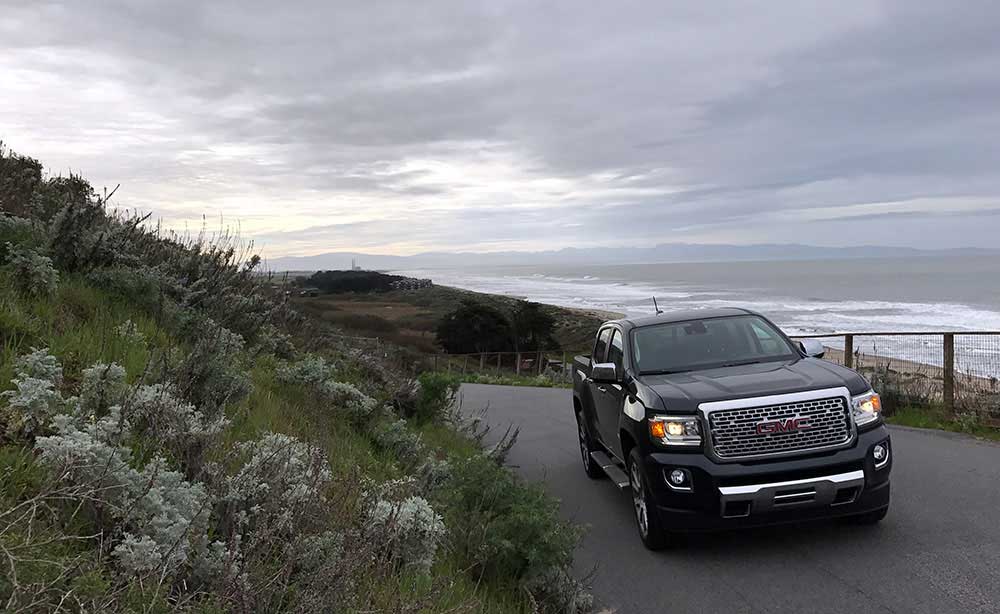
A breakdown feels very different on the side of the road than it does in your driveway. You might be perfectly comfortable changing a tire or dealing with a weak battery at home, but add darkness, bad weather, passing traffic, and a trunk full of luggage, and even a simple problem becomes harder.
That’s one reason roadside preparation should start in the garage. Routine checks can catch worn tires, a struggling battery, low fluids, and other problems before a trip. It also helps to take a look at what’s actually in your trunk. Is the spare inflated? Does the jack work? Do you have a flashlight that still has a charge?
Of course, you can do everything right and still end up on the shoulder. The goal isn’t to prepare for every possible mechanical failure. It’s to have enough tools, supplies, and backup options that you’re not figuring out your next move while cars are flying past you.
Securing Reliable Coverage Before You Hit The Road
Being comfortable with basic car repairs can get you out of plenty of minor problems, but there’s a limit to what you can safely handle away from your garage. A dead battery in a parking lot might be an easy fix with a jump starter. A transmission problem or damaged tire on the shoulder of a busy highway is a different story.
Before a longer trip, it’s worth knowing what backup you already have. Some auto insurance policies, vehicle warranties, credit cards, and manufacturer programs include towing or emergency services. If yours doesn’t, a dedicated roadside assistance service is another option for situations where the car can’t be safely repaired where it stopped.
It’s also worth saving the relevant contact details in your phone rather than assuming you’ll be able to find them when something goes wrong. Even drivers who do most of their own maintenance can run into a problem that requires a tow truck, specialized equipment, or simply a safer place to diagnose the issue. Think of outside help as the backup to your DIY skills, not a replacement for them.
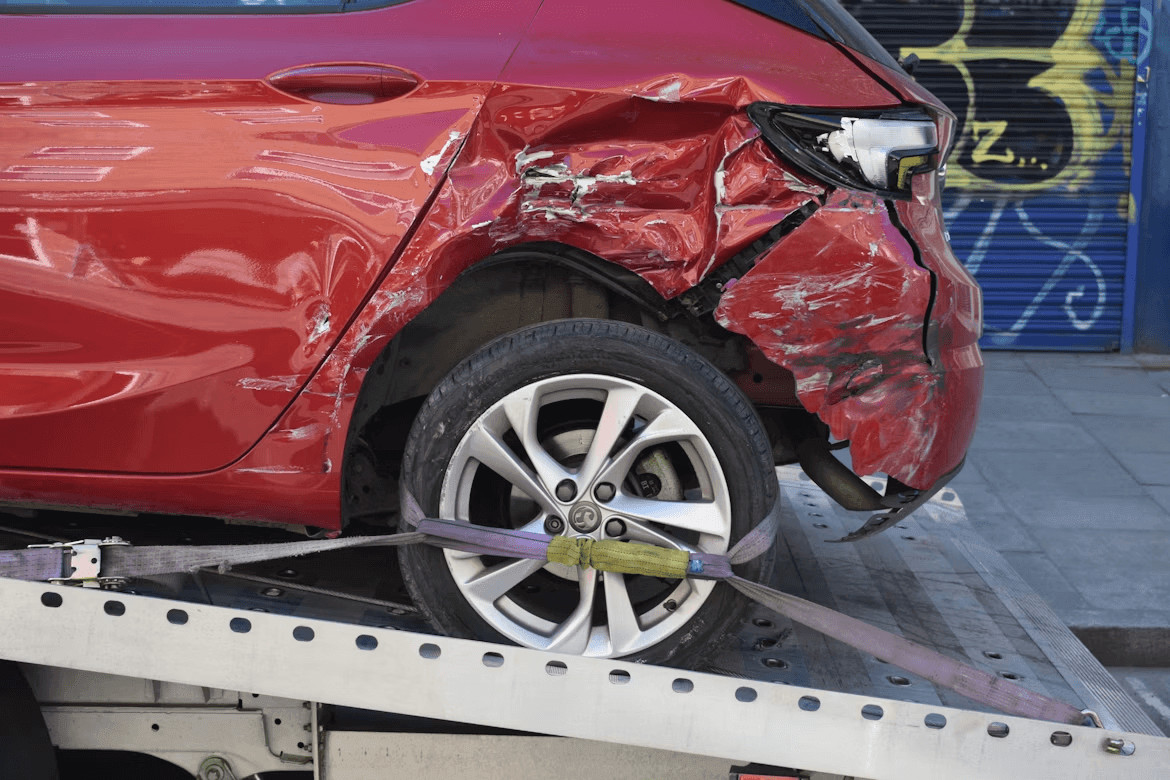
Carrying The Right Emergency Gear In Your Trunk
Every garage enthusiast keeps a dedicated emergency kit inside their vehicle trunk for unexpected mishaps. Packed supplies should include heavy-duty jumper cables, a tire pressure gauge, a high-lumen LED flashlight, and basic hand tools. Storing extra motor oil, coolant, and a sturdy pair of work gloves helps you manage minor under-hood fixes roadside.
- Heavy-duty jumper cables or a compact lithium jump starter box
- Portable air compressor with digital tire pressure gauge
- Bright LED flashlight with extra batteries or USB charging cable
- Basic socket set, screwdrivers, adjustable wrench, and pliers
- Thermal blankets, reflective safety vest, and warning triangles
Data from PopSci indicated that AAA responded to roughly 31 million roadside calls in 2024, with dead batteries, flat tires, and lockouts topping the request list. Preparing for these specific issues keeps your vehicle moving without unnecessary delays. A well-stocked trunk kit gives you control over small mechanical setbacks.
Dealing With Dead Batteries On The Go
Battery failure strikes without warning, leaving drivers immobilized in parking lots or along shoulder lanes. Extreme temperatures drain battery capacity rapidly, reducing cranking power when you need it most. Inspecting battery terminals for corrosion during routine garage oil changes prevents unexpected voltage drops.
Research published by DataIntelo revealed that battery failure remains the leading cause of vehicle breakdowns worldwide, accounting for over 30% of all roadside assistance calls in major markets. Carrying a modern portable jump starter allows drivers to revive dead batteries independently without waiting for another vehicle. Checking your battery age every two years keeps your starting system dependable.
Handling Tire Blowouts Safely
A sudden tire blowout at high speed requires immediate calm and steady steering control. Hold the steering wheel firmly with both hands, avoid slamming on the brakes, and ease off the accelerator gradually. Steering toward the shoulder lane once momentum slows down protects both your vehicle and passing traffic.
Industry data from Market.us showed that roadside assistance led the breakdown recovery service type with a 48.6% share in 2025, driven by the growing need for immediate support during vehicle failures.
Whether you change the tire yourself depends just as much on where you’ve stopped as on whether you know how to do the job. A level parking area or a wide, protected shoulder may give you room to work, while a narrow roadside beside fast-moving traffic may not be worth the risk.
If conditions are safe for a tire change, you’ll need a working jack, the correct lug wrench, and a properly inflated spare. Don’t wait for a flat to discover that one of them isn’t ready. Check your spare’s pressure periodically, make sure you know where the jack and tools are stored, and confirm that everything is usable before a longer trip.
Modern Mobile Tools And Rescue Applications
Digital technology has transformed how drivers request help during vehicle emergencies. Mobile applications allow stranded motorists to pin their exact GPS location, select required services, and track tow truck arrival in real time. Digital dispatch systems speed up response times significantly compared to traditional phone queues.
A report by Market Reports World highlighted that around 58% of consumers used mobile-based assistance applications for travel and roadside requests in 2024. Smartphone tools eliminate location confusion when breakdown events occur on unfamiliar rural routes. Keeping your smartphone charged with a dedicated car charger ensures instant access to help.
Navigating Safe Staging On Busy Highways
Pulling over safely after a mechanical failure requires clear visibility and distance from moving traffic lanes. Turn on hazard flashers immediately to warn approaching motorists of your stationary vehicle. Setting up reflective warning triangles fifty feet behind your car gives oncoming drivers adequate reaction time.
Road safety figures from ERTICO showed that the EU maintained 45 road deaths per million population in 2024, ranking among the safest global driving regions. Staying inside your vehicle with seatbelts fastened offers superior protection when stopped on high-speed interstate shoulders. Standing outside near active traffic lanes increases accident risk substantially.
Know When a Roadside Fix Isn’t Worth the Risk
Knowing how to work on your own car doesn’t mean you should tackle every problem where the car happens to stop. Jump-starting a battery in a quiet parking lot is one thing. Changing a tire on a narrow highway shoulder while traffic passes a few feet away is something else entirely.
Take a look around before you open the toolbox. Do you have enough room to work? Can other drivers see you clearly? Is the ground firm enough for a jack? If the answer to any of those questions makes you uncomfortable, getting the car somewhere safer matters more than figuring out what’s wrong with it right away.
The job itself matters too. Putting air in a low tire or using a portable jump starter can be straightforward when you’re safely off the road. Crawling underneath the car, working around a hot engine, or trying to diagnose an unfamiliar electrical problem is better saved for a garage or another controlled setting.
This is where DIY experience actually helps. You know what the job would normally involve, how long it should take, and which tools you’d reach for at home. If you wouldn’t be comfortable doing the same repair without proper space, lighting, or equipment, there’s no reason to force it on the side of the road.
Prepare in the Garage, Stay Safer on the Road
A little time spent in the garage can save a lot of trouble later. Check the tires, battery, fluids, lights, and obvious wear before a long drive, especially if the car hasn’t had much attention lately. Don’t forget the equipment in the trunk either. A flat spare or a missing lug wrench isn’t much help when you’re already stranded.
Even then, things happen. Tires pick up nails, batteries die, and parts sometimes fail without giving you much warning. Having a flashlight, basic tools, a charged phone, and a way to call for help gives you more options when they do.
And remember that being good at DIY doesn’t mean every repair needs to be DIY. Changing a tire in your driveway is one thing; doing it a few feet from fast-moving traffic is another. Sometimes the smartest use of your mechanical know-how is recognizing that the car can wait until you’re somewhere safer.