The roof is your home’s primary defense against the elements. Whether you are constructing a new house or replacing an aging roof, the material you select dictates how well the structure withstands local weather. The decision requires balancing regional climate demands with your available budget. This guide breaks down the essential factors that influence roofing performance so you can make a practical, cost-effective choice.
A well-constructed roof protects the interior and adds to the property’s curb appeal. However, the installation process matters just as much as the material itself. High-quality materials fail if they are not installed correctly. Proper installation involves using the correct roofing fasteners to anchor the materials against high winds and severe weather. Working with an experienced roofing contractor ensures the project meets local building codes and industry standards.
How Climate Dictates Roofing Choices
Regional weather patterns place specific stresses on a roof. A material that lasts for decades in a dry environment may deteriorate rapidly in a humid one. Understanding your local environmental challenges is the first step in narrowing down the options. Here is how different climates influence material selection:
Hot and Arid Climates
In areas with intense sunlight and consistently high temperatures, heat resistance and energy efficiency are the primary concerns. Dark-colored materials absorb solar radiation, driving up indoor temperatures and forcing air conditioning systems to work harder. For these regions, materials with high solar reflectance are ideal because they bounce the sun’s rays away from the building.
Clay and concrete tiles are traditional choices in hot climates. They naturally reflect sunlight, and their curved shapes allow air to circulate beneath the tiles, which helps cool the roof deck. Metal roofs are also highly effective. They reflect solar radiation and cool down quickly after sunset. If you are considering metal options, note that metal roofs do not inherently make your house hotter; they are often recommended specifically for their energy efficiency in warm regions. Manufacturers can also apply reflective coatings to metal panels and some asphalt shingles to improve their performance in extreme heat.
Cold and Snowy Climates
Regions that experience heavy snowfall and freezing temperatures require roofs that can handle significant weight and shed snow efficiently. The roof structure must support heavy snow loads without sagging. The material must also resist the freeze-thaw cycle, which happens when melted snow refreezes in microscopic cracks, expanding and causing the material to split over time.
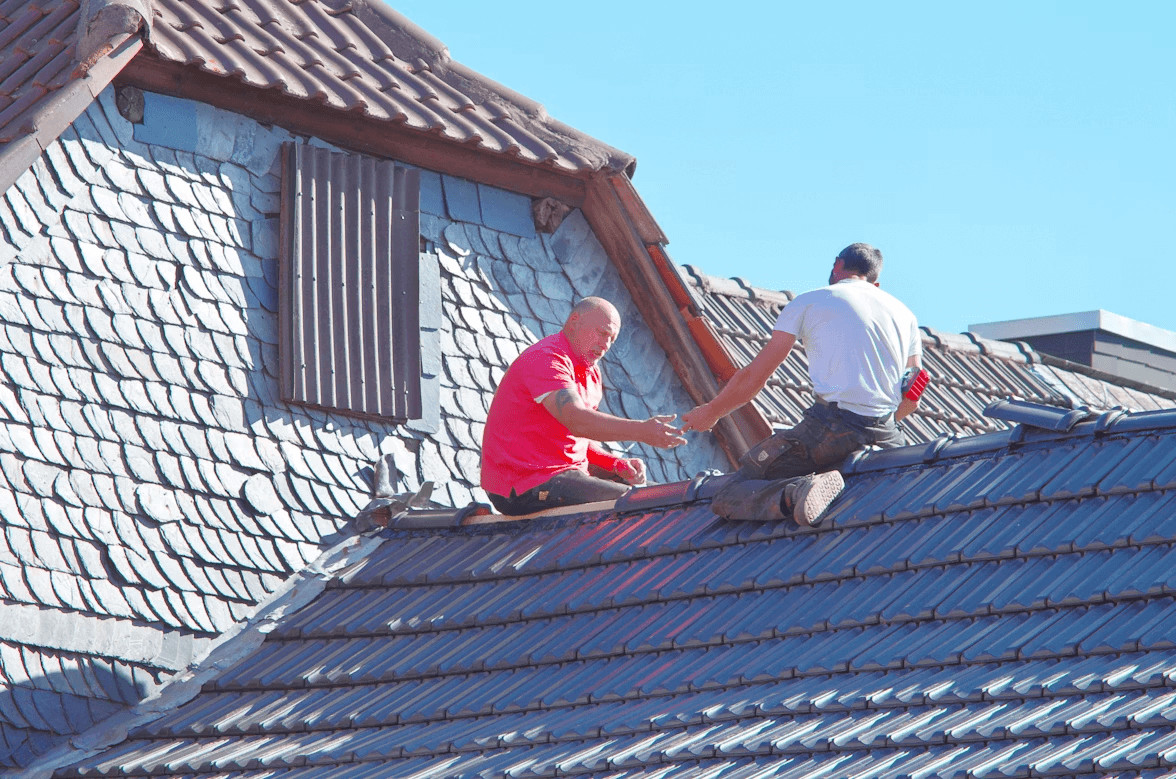
Natural slate and metal are excellent choices for cold environments. Metal roofs are particularly effective because their smooth surfaces allow snow and ice to slide off, preventing heavy accumulation that could lead to structural failure. Proper attic insulation and ventilation are also critical in these climates. Poor insulation allows warm air to escape into the attic, melting the snow on the roof. The water then runs down to the colder eaves and refreezes, creating ice dams. These dams force water under the roofing material, causing leaks and interior water damage.
Humid and Rainy Climates
High humidity and frequent rainfall create an environment where mold, mildew, algae, and moss thrive. These biological factors degrade roofing materials and create unsightly dark streaks. Moisture resistance is the top priority in wet climates. Materials that naturally absorb water, such as untreated wood shakes, require frequent chemical treatments to prevent decay, making them less practical for these areas.
Metal roofing, natural slate, and architectural asphalt shingles manufactured with algae-resistant copper granules hold up better in persistently wet environments. Metal and slate are impervious to water penetration. Beyond the material itself, the roof requires an efficient drainage system. Oversized gutters, clear downspouts, and an adequate roof slope are necessary to direct water away from the foundation quickly, preventing pooling and leaks.
Coastal Regions and High-Wind Areas
In coastal areas or regions susceptible to hurricanes and severe thunderstorms, wind resistance dictates the roofing choice. High winds create aerodynamic uplift forces that can tear materials off the deck, exposing the underlying structure to water damage. In these high-risk areas, the fastening system and installation techniques are as critical as the material. Poor installation inevitably leads to water intrusion, structural issues, and the need for premature roof repair.
Metal roofing offers exceptional wind resistance when installed with interlocking panels and heavy-duty structural clips. Heavy materials like natural slate or thick concrete tiles are also less likely to blow away, provided the roof structure is engineered to support their weight. High-performance asphalt shingles work in these areas if they are rated for high winds and installed with extra nails and high-strength adhesives. The installation must comply with local wind codes to protect the home during extreme weather events.
Evaluating Roofing Materials: Pros, Cons, and Costs
Once you understand the climate demands, you can evaluate the available materials. Each option presents a distinct combination of durability, maintenance requirements, and cost. Here is an overview of the most common residential roofing materials:
Asphalt Shingles
Asphalt shingles are the most common roofing material in North America because they are affordable and widely available. They come in two main types: three-tab shingles, which are basic and flat, and architectural shingles, which are thicker and designed to mimic the texture of wood or slate. Asphalt shingles perform reasonably well in moderate climates and fit a variety of architectural styles.
The primary advantage of asphalt shingles is their low upfront cost. They are also relatively easy to repair if a small section sustains damage. However, their lifespan is shorter than premium materials, typically ranging from 15 to 30 years depending on the quality of the shingle and the harshness of the environment. In extremely hot climates, the asphalt can dry out, lose its protective granules, and become brittle. They are also susceptible to wind damage if the factory adhesive strip fails to seal correctly. While they fit tight budgets initially, the long-term replacement costs are higher.
Metal Roofing
Metal roofing has gained popularity due to its durability, longevity, and energy efficiency. It is available in standing seam panels and stamped tiles that resemble wood shakes, slate, or clay. Common metals include galvanized steel, aluminum, copper, and zinc.
A well-installed metal roof can last 40 to 70 years, outperforming asphalt shingles. Metal resists extreme weather, including heavy snow, high winds, large hail, and fire. It is also lightweight, reducing the structural load on the home’s framing. The primary drawback is the initial cost, which is considerably higher than basic asphalt. Metal roofs can also be noisy during heavy rain or hailstorms if the attic lacks proper insulation. However, the long lifespan and minimal maintenance requirements make metal a cost-effective choice over the long term.
Clay and Concrete Tiles
Clay and concrete tiles offer a distinctive appearance common in Mediterranean, Spanish, and Southwestern architecture. They are highly durable and can last over 50 years, with some high-quality clay roofs lasting a century. The physical air space beneath the thick tiles blocks heat transfer into the attic, making them ideal for hot, sunny climates.
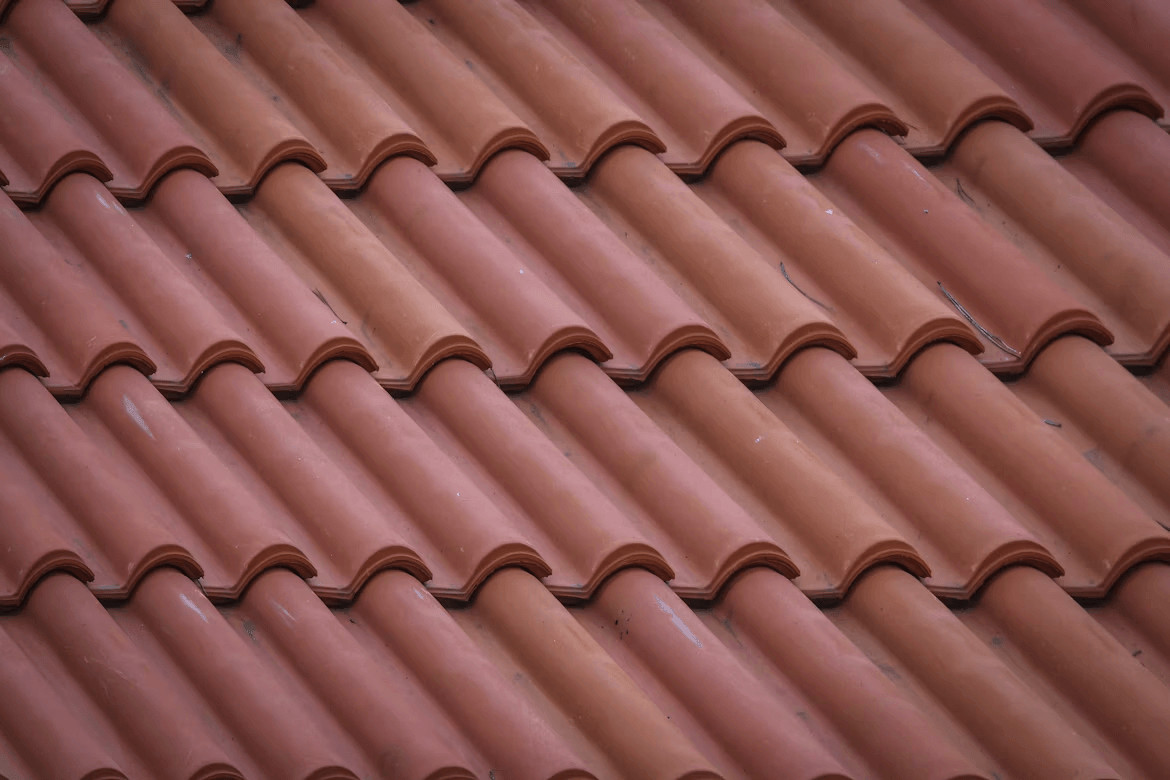
The main challenges associated with tile roofs are their weight and high cost. They are significantly heavier than other materials, requiring an engineering inspection and additional structural support before installation. The installation process is specialized and labor-intensive, which drives up the initial cost. While the tiles withstand harsh weather and fire, they are brittle and can break if walked on improperly during routine maintenance or if struck by falling tree branches.
Natural Slate Roofing
Natural slate is one of the most durable roofing materials available. As a naturally occurring stone, slate offers a sophisticated look and a lifespan that often exceeds 100 years. It is impervious to moisture and highly resistant to fire, mold, and extreme temperature fluctuations, making it suitable for severe climates.
The significant barrier to choosing slate is its premium cost. It is one of the most expensive roofing options in terms of both material procurement and specialized labor. Like clay tiles, slate is extremely heavy and requires robust, reinforced structural support. The installation must be performed by skilled artisans. Slate is also fragile under direct foot traffic, making routine repairs to chimneys or gutters difficult. However, for historic homes or luxury properties where ultimate longevity is the priority, slate remains a premier choice.
Wood Shingles and Shakes
Wood shingles (which are machine-cut for a uniform look) and shakes (which are hand-split for a thicker, rustic appearance) provide a natural aesthetic. They are typically made from naturally rot-resistant woods like cedar, redwood, or southern pine. When properly installed and consistently maintained, a high-quality wood roof can last 20 to 40 years.
Wood roofs require significant, ongoing maintenance to prevent rot, mold, algae growth, and insect infestations. They are not suitable for areas prone to wildfires unless they are factory-treated with fire retardants, which adds to the initial cost and requires periodic reapplication. In damp climates, wood is susceptible to moisture damage and premature decay. The cost of wood roofing falls between premium asphalt and metal, making it a mid-range option for homeowners willing to commit to the required upkeep.
Balancing Budget with Long-Term Value
When selecting residential roofing material, consider the long-term value rather than just the initial installation cost. A new roof is a major financial commitment, and choosing the cheapest option upfront often costs more over time due to frequent repairs and early replacement. Addressing roofing damage early is essential to maximizing the lifespan of any material, but choosing a durable, climate-appropriate option from the start provides the best foundation for long-term savings.
To make an informed financial decision, calculate the complete lifecycle cost of the roof. This calculation includes the initial material and labor costs, expected ongoing maintenance expenses, potential repair costs, and the projected lifespan of the material. For example, while a premium metal roof costs twice as much as a basic asphalt shingle roof initially, it lasts more than twice as long and requires virtually no ongoing maintenance. Energy-efficient materials can also lower monthly utility bills, providing tangible financial savings that offset a higher initial investment.
Factor in the potential impact on the home’s resale value. A high-quality, durable roof is a major selling point for prospective buyers and increases the property’s market value. Conversely, a roof nearing the end of its lifespan or showing obvious signs of wear can deter buyers, lead to lower offers, or cause complications during the home inspection process.
The Importance of Professional Installation and Maintenance
Even the most durable roofing material fails prematurely if it is not installed correctly. Proper installation ensures the roof performs as expected, honors the manufacturer’s warranty requirements, and withstands the elements. Hiring a reputable, experienced, and licensed professional is necessary. Look for contractors who are fully insured and officially certified by the manufacturers of the specific materials they install. Manufacturer certification often means the contractor has undergone specific training and can offer extended warranties on both the material and the workmanship.
Once the new roof is installed, regular maintenance protects the investment. Schedule annual inspections with a professional, particularly after severe weather events like hailstorms or hurricanes, to identify and address minor issues before they escalate into costly problems. Keep gutters clean and free of debris to ensure fast drainage, and trim any overhanging tree branches that could scrape or damage the roof surface. Proactive maintenance maximizes the lifespan of the roof and ensures it continues to protect the home.
Conclusion
Choosing the right roofing material requires deliberate consideration of the local climate, the financial budget, and the long-term goals for the home’s value. By understanding how different materials perform in various weather conditions and evaluating their true lifecycle costs, homeowners can select a roof that provides optimal protection, enhances curb appeal, and offers the best overall value. The quality of the installation is just as important as the material itself, so partnering with experienced, certified roofing professionals ensures the new roof is built to last.